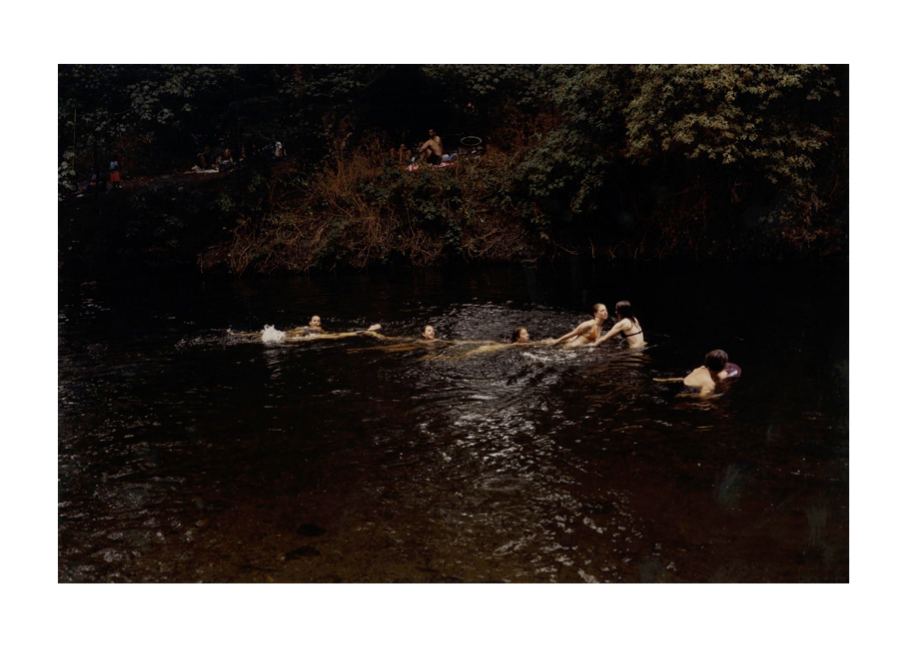
This is a bit of a random post but one that is nevertheless pertinent to my current thinking about landscape photography. I was not sure how to title it but have settled on this pun on the title of a recent work by a favourite artist/musician/writer, Richard Skelton – Landscapes with Absented Figures. This has been triggered by something I saw in The Observer newspaper this morning about a work by the photographer Nick Waplington, photographs of people swimming and generally just enjoying themselves by a river bank in Hackney.
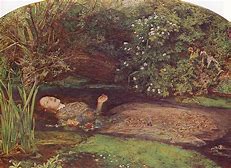
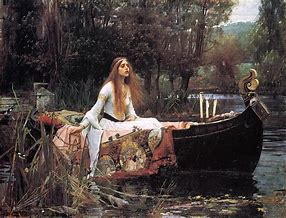
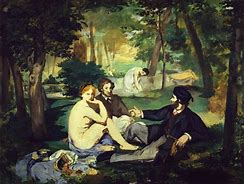
A couple of things really caught my eye and my imagination. First and foremost his pictures made me think of Victorian genre painting, in particular, that would not normally be associated with landscape – John Everett Millais’s Ophelia, Waterhouse’s Lady of Shallot, the coyly erotic confections of Alma Tadema (without the crystal clear, diaphanous water!) – and the likes of Manet’s Dejeuner sur l’herbe. What we have here is a photographer, of whom I confess I had not heard before, consciously playing with painterly conventions but nevertheless producing work that is wholly contemporary. Although not necessarily what one might call humanist photography it nevertheless strikes me as still socially concerned. Slightly to my surprise I like it so much I have just bought his book!

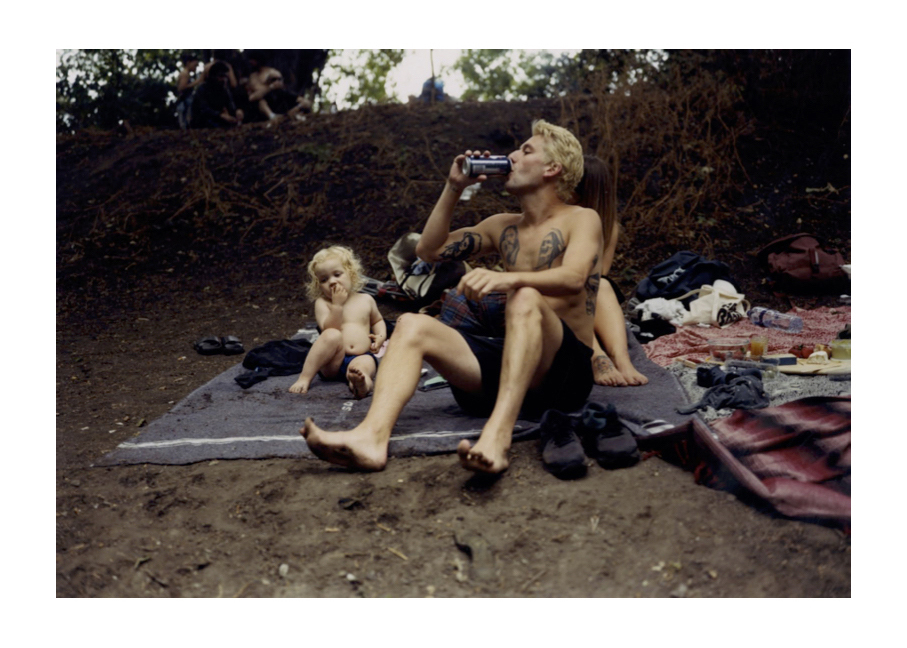
It is a far from profound notion but nevertheless an important one for me that this article got me thinking about the role of people in landscape photography. The title of this module is Landscape, Place, and Environment. Conventionally landscape painting has often included people, or at least references to their presence, their impact upon, and how they are affected by, the physical world. Ideas of place and environment are for me closely bound up with the same issues. From my own perspective, pretty views interest me little; how a physical place, the environment, is affected by people, how it in turn affects people, how they live there, is much more important. (Am I at heart a humanist, socially concerned photographer, or at least a would-be one? Quite probably.)
That in turn has brought me to reflect on some of the work that I have been looking at recently – ostensibly off-piste and not directly connected to the present curriculum – and to think about how in fact it is relevant to Landscape, Place, and Environment.
Two books particularly: Ragnar Axelsson’s Faces of The North (2019) (the recent re-issue of the 2004 original, which I unaccountably missed first time round) and Marketa Luskačova’s By the Sea (2019). (The same point though I can see applies equally to a lot of the work that attracts my attention and that I have focused on, buying the books, over the last few years.) The first is what at first glance appears to be just (!) a collection of portraits of people living in Greenland, the Faroes, and Iceland – places I have visited and love, environments that resonate deeply within me. The second, “street” photographs of people on the beach, mostly at Whitley Bay (the nearest bit of coast to where I live and somewhere I have visited a lot), in the late 1970s. (The same could be said of a lot of what I have been looking at throughout the year but these two are the ones that have landed on my desk within the last week or so and so are jostling more vigorously for attention.)
What both of these books do is portray people within particular environments. They are not simply pictures of the people, portraits, but images of people in particular places and give some indication of how those people relate to the places, how they live there, how the environments shape their lives, and to an extent how they in turn have an impact on those environments. I feel this is a particularly strong element in Axelsson’s work (who has spent a lot of time photographing the people of the Arctic and some of whose other books I have had for some years now) but I do not think it is fanciful to say the same of Luskačova’s work, though the environment she was concerned with is much less exotic, and notwithstanding that there is little in the physical appearance of the locations that would tell you where they in fact are.
Conclusion? People make the “landscape”? Needs more thought and no doubt I will continue to wrestle with this as I progress through the module.
Axelsson,R, (2019). Faces of the North. Reykjavik: Qerndu
Luskačova, M, (2019). By the Sea. Bristol: RRB Photobooks
https://www.corbelstonepress.com
https://www.theguardian.com/artanddesign/2019/sep/29/the-big-picture-nick-waplington-hackney-riviera
 Mark Robinson's OCA Landscape, Place & Environment Blog
One thought on “Landscapes with Present Figures”