I have already discussed at some length the thinking behind my approach to this assignment in the preparation done as Exercise 1.7 (https://markrobinsonocalandscape.photo.blog/2019/10/15/exercise-1-7-assignment-preparation/). To recap briefly, I have taken the idea of the Sublime as my subject and have interpreted that notion as the representation of the unrepresentable, of nothingness in a specifically Buddhist sense, of the void. In this regard I have been most consciously influenced by the work of Hiroshi Sugimoto, particularly his movie theatre and seascape pictures, though I have stopped short of directly emulating any of that work by concentrating instead on clouds rather than the sea and sky or the passage of time. There are nevertheless, almost inevitably, elements of passing time and trying to capture something intangible, ineffable, transient, in choosing clouds as my raw material.
The choice of clouds was also influenced by the skyscape works of James Turrell, and, as it turns out on a more unconscious level, the cloud paintings of Gerhard Richter. Alfred Stieglitz, who blazed a trail by taking some of the earliest cloud photos, was explicitly not a direct influence although I was of course already aware of his Equivalents; if anything he has been something of a negative influence, as I suggest below.
One of the things that I had not fully considered while working on the preparation for this assignment, as recorded in Exercise 1.7, was how the final set would be chosen and how it would be sequenced. That is something that has been resolved only now that I have come to finalise the set and in a way the solution was obvious and embedded within the basic idea.
As the idea that I want the the images to portray is itself quite abstract I decided not to use any pictures that are too clearly and easily identifiable as photos of clouds. I have in this sense deliberately shied away from the pictorialist approach of Stieglitz. The final set are therefore some of the more purely abstract images that I made, though in a couple of cases this has been achieved more in post-production by judicious cropping rather than in the original composition of the shots. To a limited extent that desire for abstraction has also been influenced by the paintings of Mark Rothko.
So far as sequencing is concerned, to the extent that the final images have no apparent intrinsic meaning in themselves, any random order might have sufficed. However as there is an explicit Buddhist element of thinking behind my approach to the assignment a natural sequence presents itself. Not quite a series of reincarnations towards enlightenment but nevertheless a progression from doubt and obscurity, in the form of the blank, even, grey sky of the first image, through slowly breaking cloud cover, to clarity and enlightenment in the final clear blue sky. It is though significant that there remains some small vestige of cloud in that final image – doubt and lack of absolute clarity will always be with us and it is important to acknowledge that.
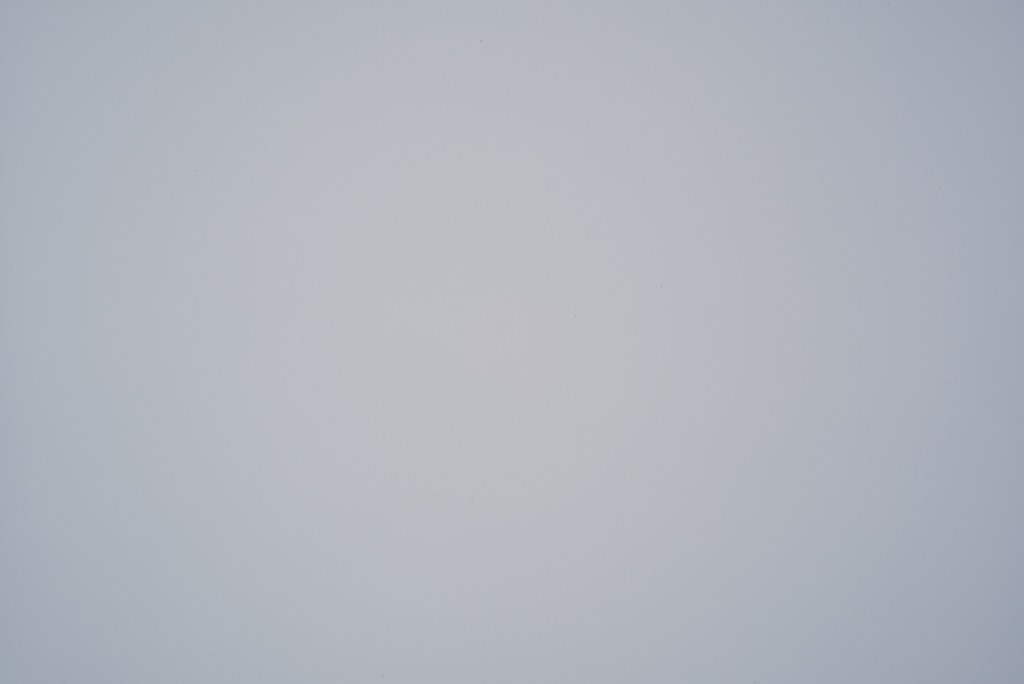
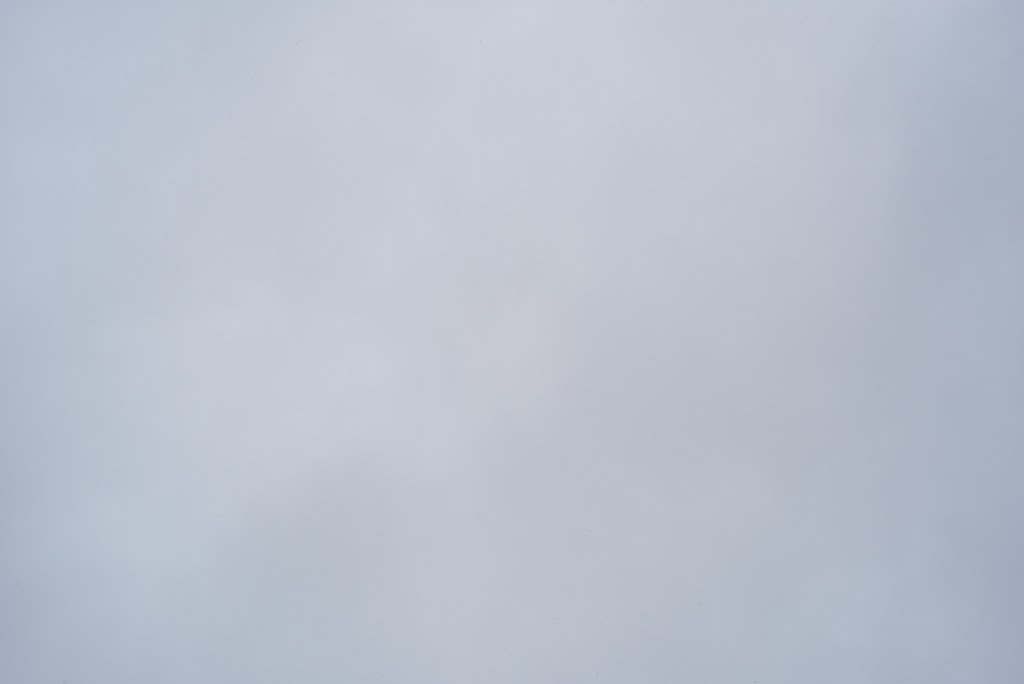
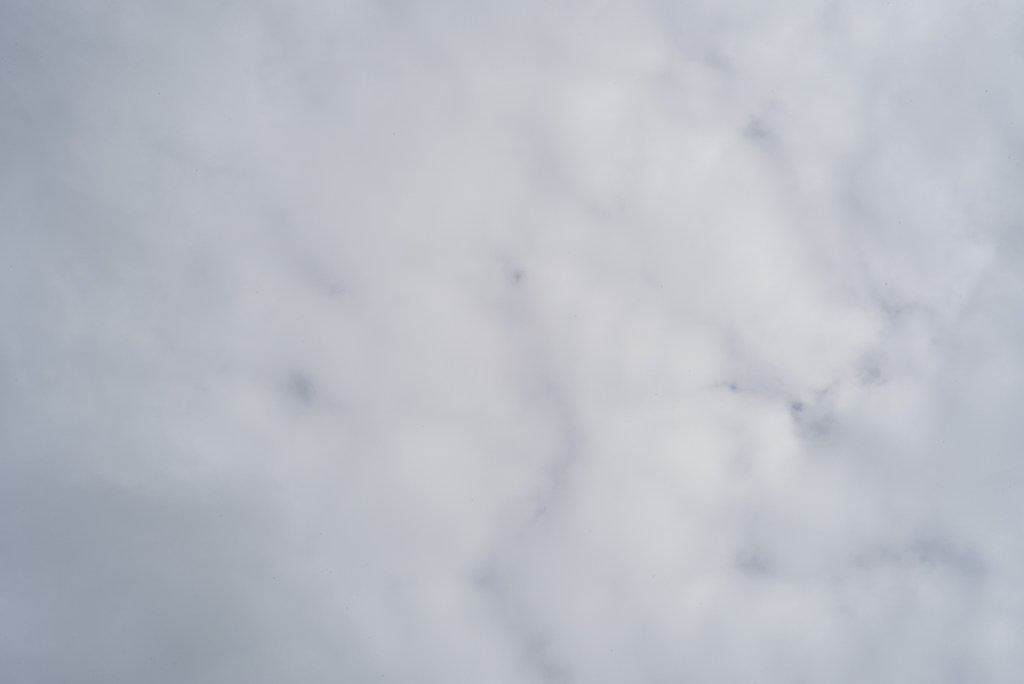
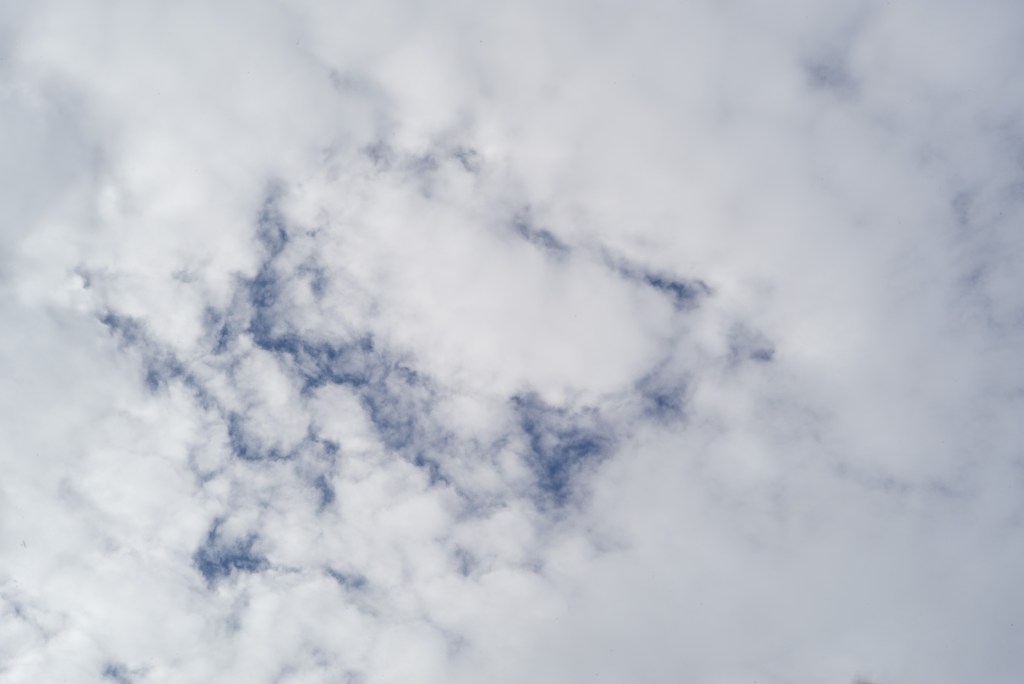
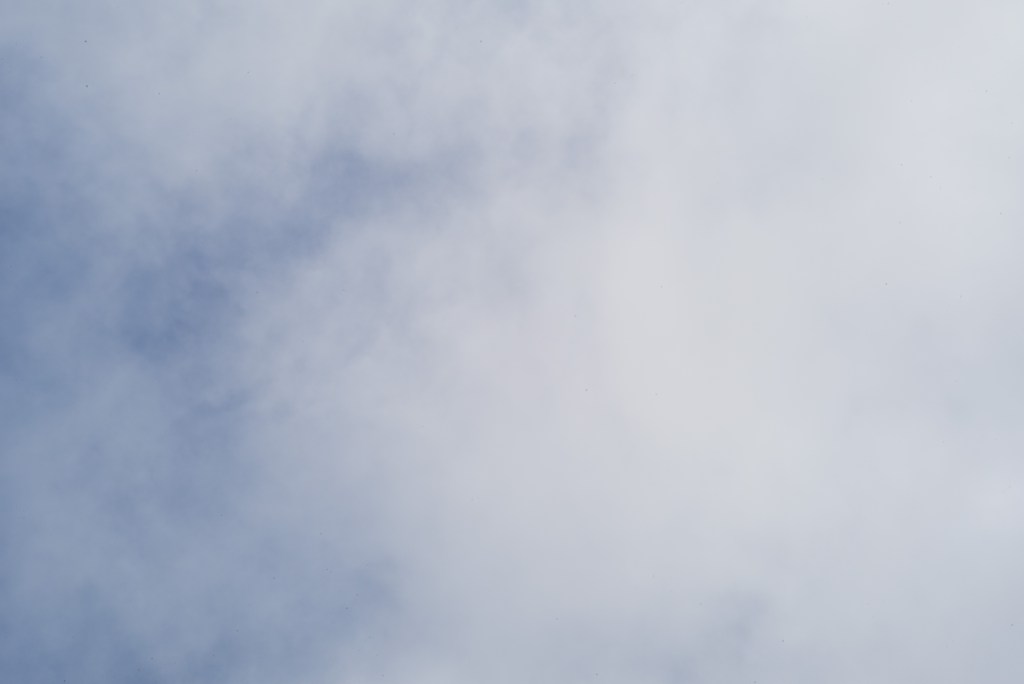
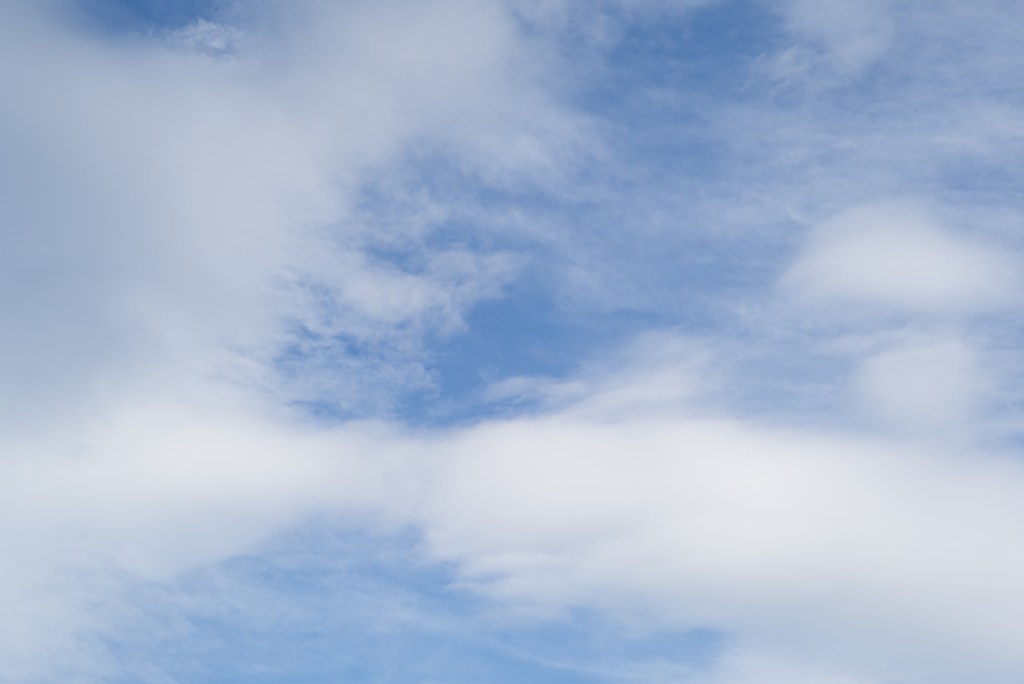
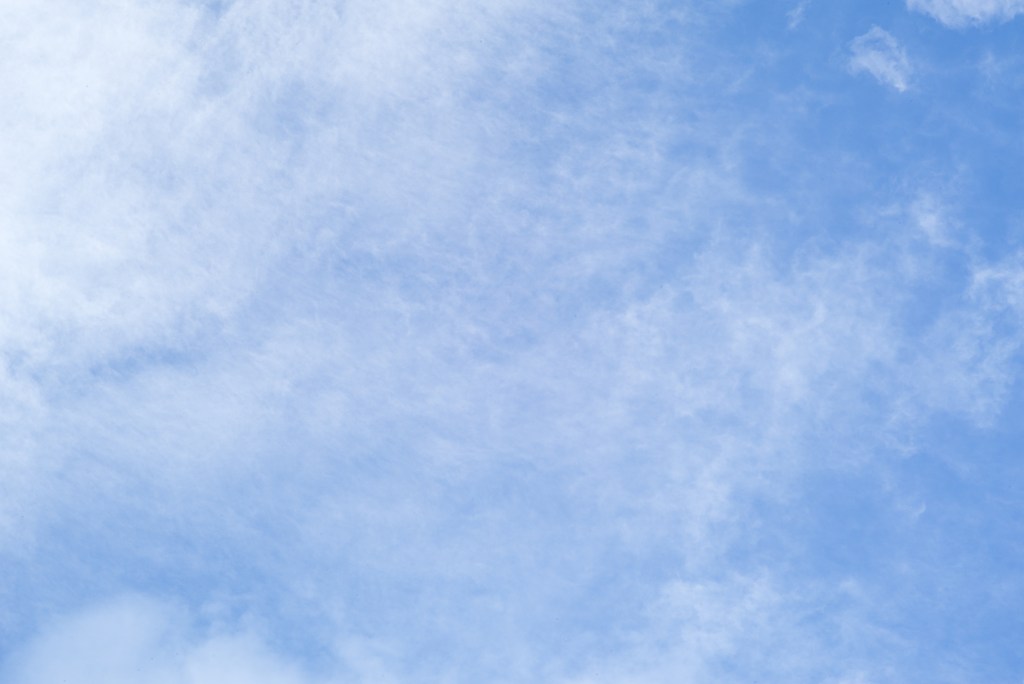
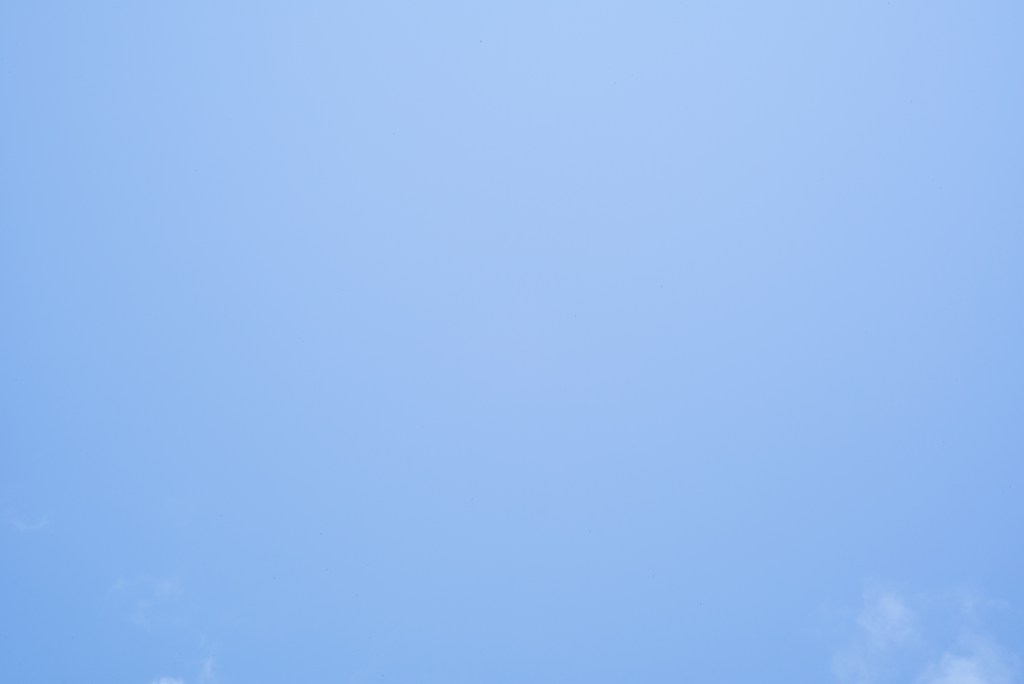
Although not really part of the brief for this assignment I have in addition given some thought to how, in an ideal world, this sequence might be displayed or exhibited to best effect. Thinking of the all encompassing and enveloping experience of viewing Rothko’s paintings where they fill a space dedicated to them alone, as for example in their special room at Tate Modern, I feel this set would work as big prints filling a room so that the viewer is immersed in them and left with no other points of reference. That would at least make them a bit more awe-inspiring, to come back to one of Burke’s definition of the Sublime, than the small images above.
 Mark Robinson's OCA Landscape, Place & Environment Blog