A brief postscript to what I wrote about Dana Lixenberg’s book, The Last Days of Shishmaref.(https://markrobinsonocalandscape.photo.blog/2020/02/19/landscape-as-a-call-to-action-2-dana-lixenberg-the-last-days-of-shishmaref-book/)
As that post, and others, might have suggested, one of my abiding fascinations (forget for now Japan and its photography) is for the Artic polar regions, their environment, ecology, people, and their ways of life and culture. I am therefore excited that there is at last (much delayed because of Covid-19) a major exhibition on the region at the British Museum: Arctic: Culture and Climate. Unfortunately I am not going to be able to visit the exhibition in person but I do at least now have a copy of the accompanying book, of the same title, and as appropriately hefty as a slab of ice.
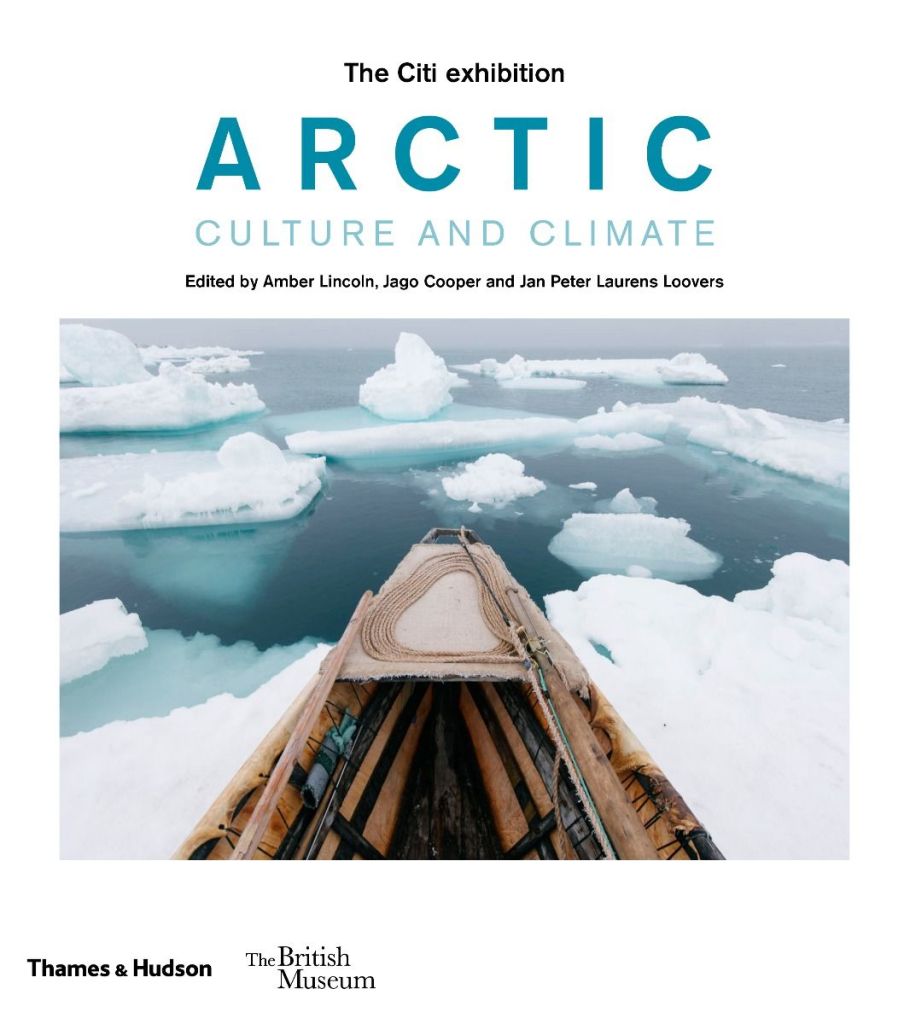
As it only arrived a couple of days ago I have not yet had a chance to go through it in detail (though on a quick flick through it is clear that there are many treasures here waiting to be discovered) but there is one chapter in particular that has already caught my eye, written by a couple of residents of the Alaskan settlement of Shishmaref, the subject of Dana Lixenberg’s book about which I have already written and which still very much remains in my mind’s eye even when looking at, and thinking about, other environments. (Unfortunately Lixenberg does not get a mention in this new book, which is perhaps a shame given her work to record this community and its predicament and bring them to a wider, though still possibly fairly limited, audience, albeit one that is, I hope, more engaged and concerned.)
Against all the odds and predictions, the community is still there! They are still at severe risk, in need of help, and at the mercy of indifferent State and Federal authorities. But most importantly they are still there, still living a life that is intimately connected to, influenced and shaped by, their environment. There is clearly much scope for pessimism but also still room for hope.
What I perhaps find most interesting, coming across this short chapter, only a few pages long, is how moving I find the plight, if that is the right word – the predicament these people face – and how it relates to my own thinking about landscape as it has developed throughout this course, how people affect the landscape, and how they are in turn affected by it. If I had to identify one totemic symbol of my own thinking about this connection it might well be the people of Shishmaref. (And how appropriate that this new book should sit right next to Lixenberg’s in my personal bibliography for this course – kindred spirits at work!)
Lincoln, A, Cooper, J, Laurens Loovers, J P, (2020). Arctic: Culture and Climate. London: British Museum / Thames & Hudson
https://www.britishmuseum.org/exhibitions/arctic-culture-and-climate
 Mark Robinson's OCA Landscape, Place & Environment Blog