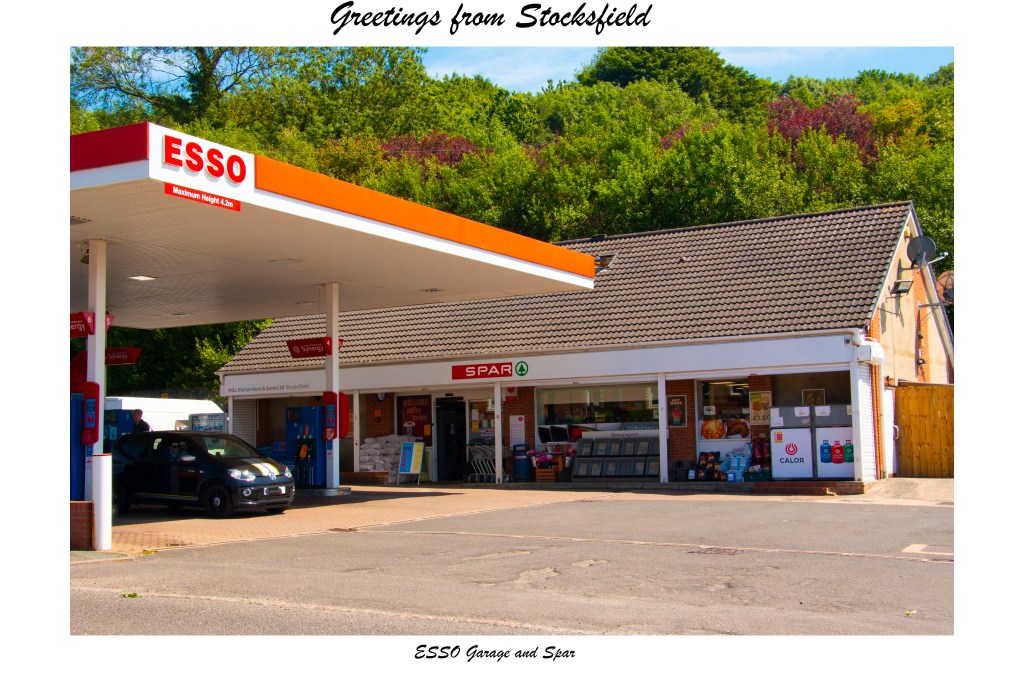
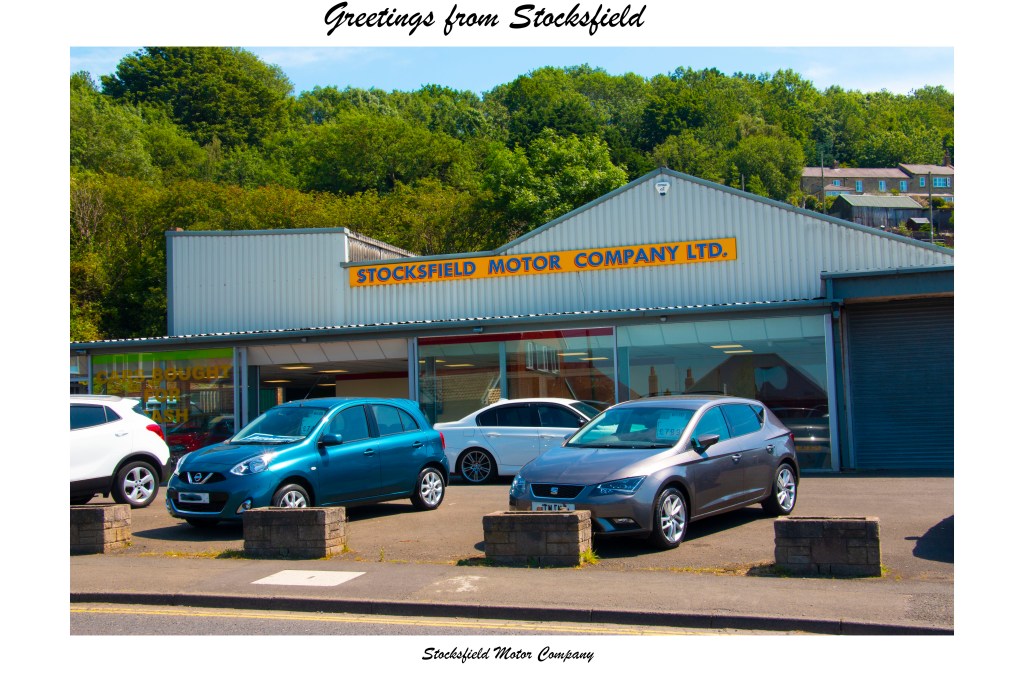
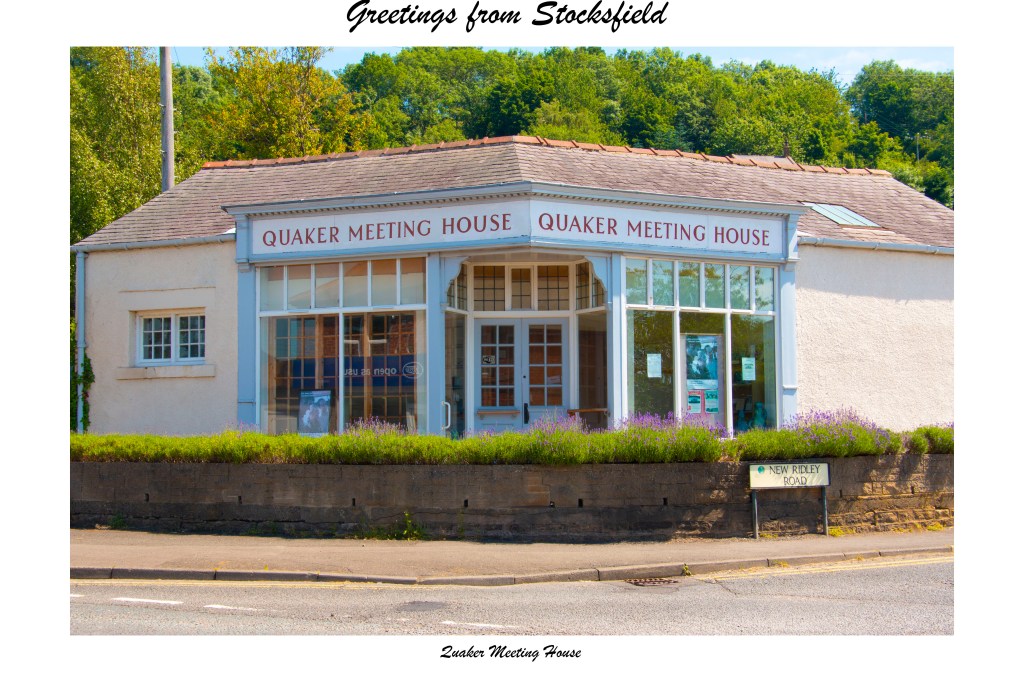
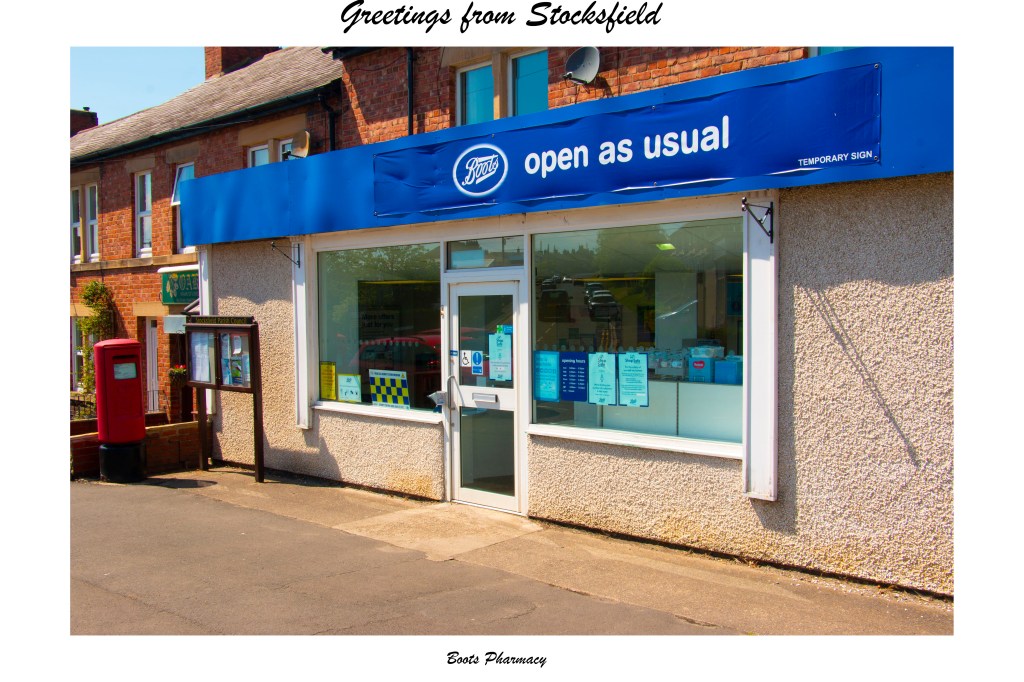
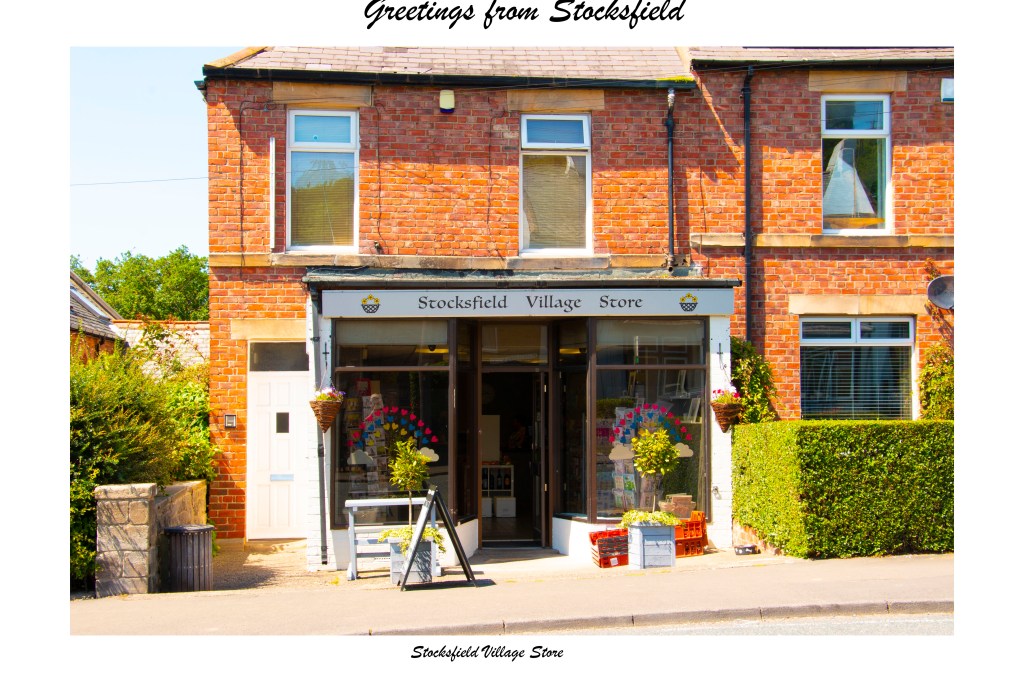
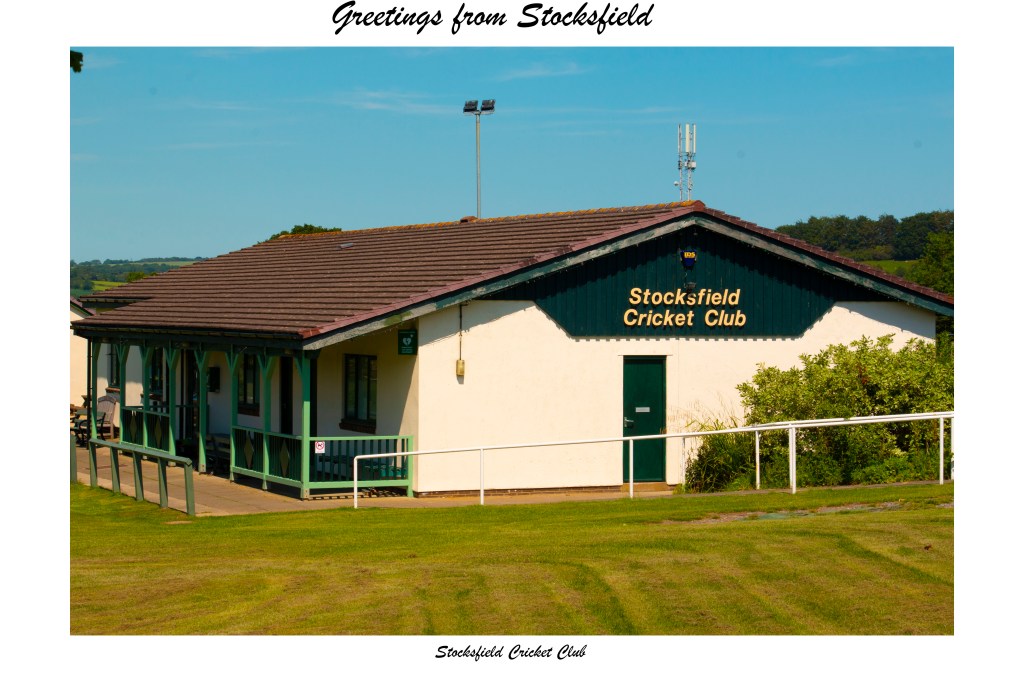
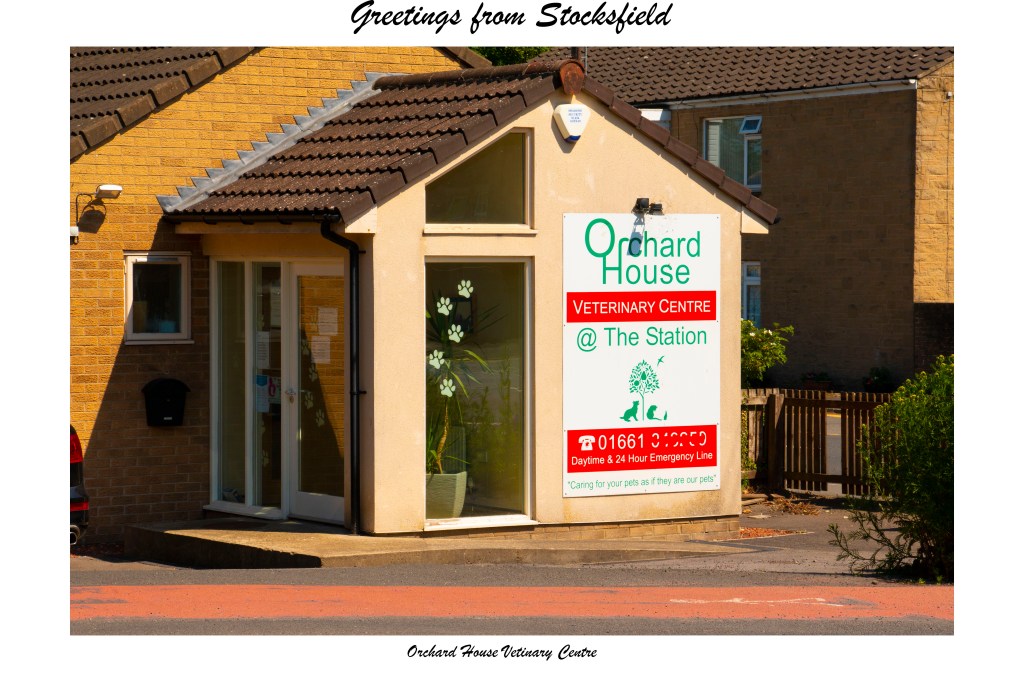
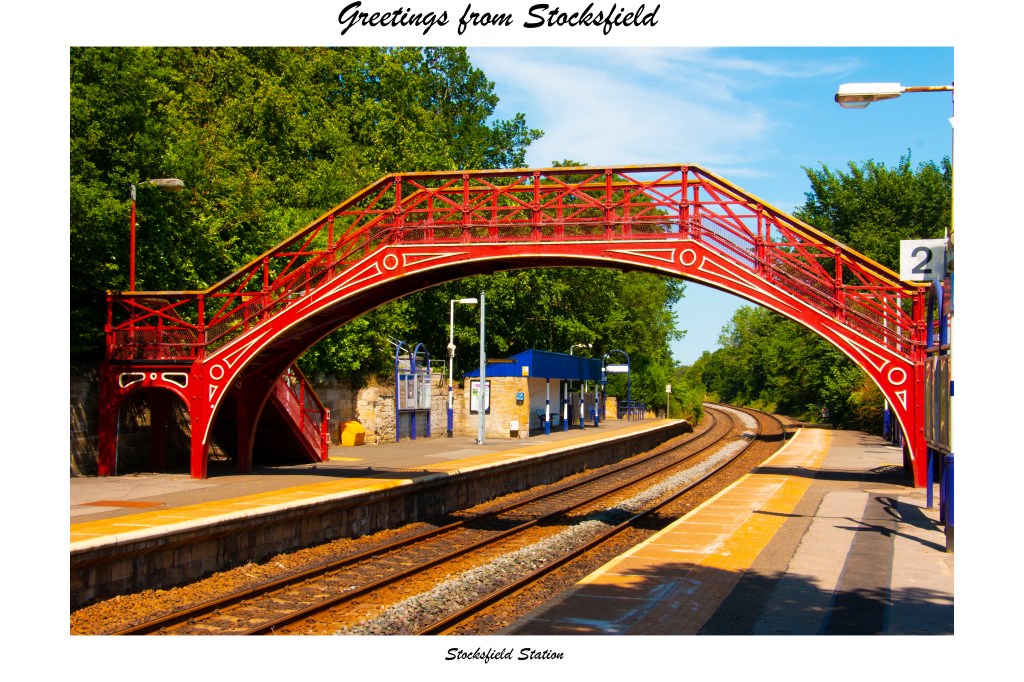
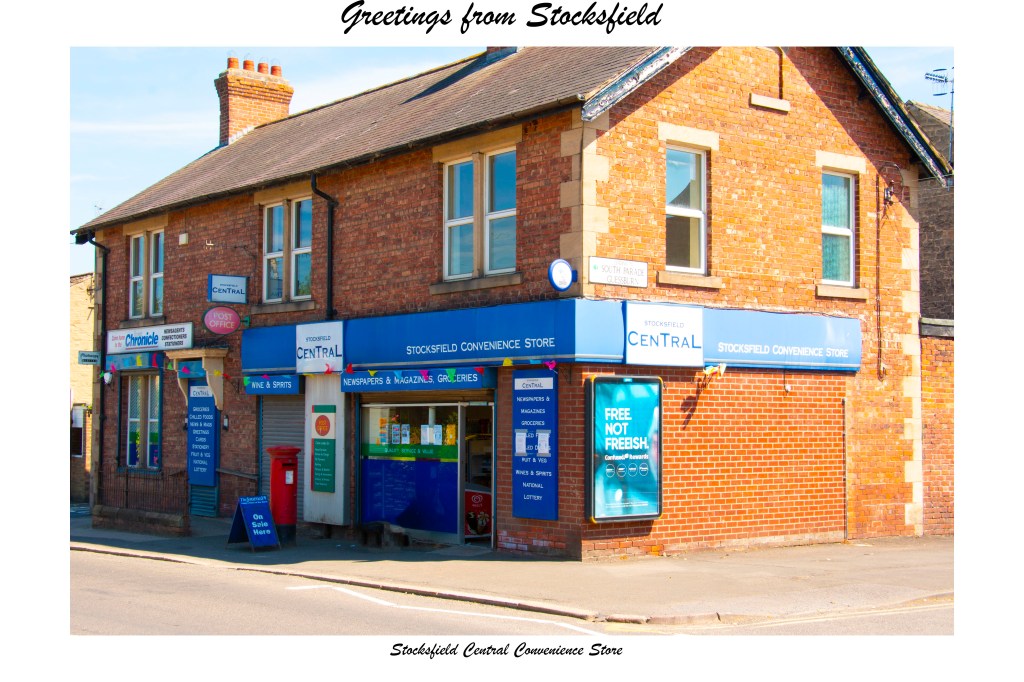
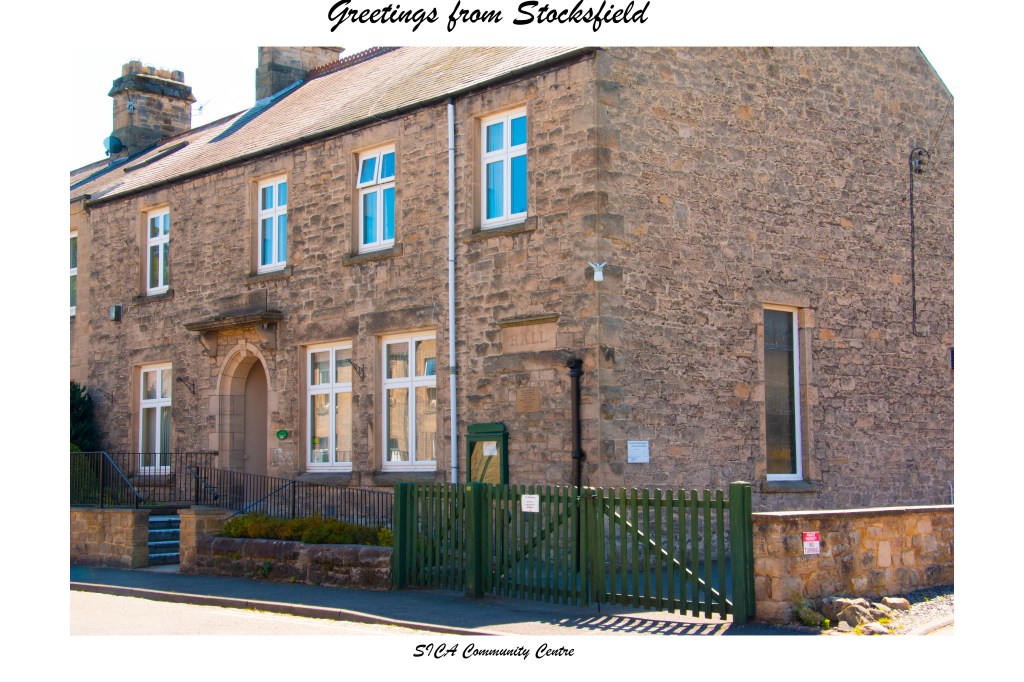
The first half of this assignment, the postcard set, having worked out quite well (the next step is to print them) I have been turning my attention to the other half, the black and white, large format film set. After having been out on a first shoot yesterday I have been reminded of the joys, and frustrations, of shooting large format film and developing.
The big difference between shooting digitally and on film is of course that in the latter case you do not know what you have got, and whether the images are any good, until the film has been developed. It was of course common for some photographers to use Polaroid film for a first shot to make sure everything is ok before committing to the sheet film. Unfortunately, Polaroid film, when you can still find it, is quite expensive, as are the film backs/holders for large format cameras. I did once look seriously at tracking down a Polaroid back that would fit my 4×5 but could not find anything reliable at a sensible price, let alone affordable film. In the end I decided that even at the risk of wasted sheets (thank heaven I am only shooting black and white and not colour film, which is considerably more expensive) it would be cheaper in the long run to forget about Polaroids. Over the last couple of years that I have been using this camera I have established a rigid routine for the various steps that are needed before any shot is actually taken, which takes a lot of the hazard and chance out of the process, but nevertheless I always have a slight sense of trepidation before releasing the shutter.
It also takes a lot longer to set up a shot, because of all the steps that need to be gone through. No such thing as automatic mode, auto-focus, or in-camera light metering on this sort of camera! Working with one of my digital cameras I have been able to capture the full set of ten images in not much more than an hour. Yesterday it took an hour and a half to get just four shots! (Admittedly some time was lost while I had to wait for people to get out of the way, but even so.) Factoring the additional time for developing the negatives and making a set of test prints in the darkroom, it is going to take me considerably longer to complete this part of the assignment.
It should of course have been obvious from the outset but I had unaccountably forgotten that what I have seen and photographed through my digital cameras is not what I can see through the 4×5: the format is obviously different, and so is the focal length of my available lens for this camera. Fortunately, as I already knew what I was after from my first recce and shooting the postcard set, I was able to set up fairly quickly. I had already worked out that the new 210mm lens would be better suited to most of the shots (with one particular possible exception) than my usual 150mm. This choice was driven by bearing in mind that for many of the images I have to shoot across a road, so cannot get physically close the subject, and the distance would mean with the shorter lens that I would get too much extraneous background.
Then there is the developing, and this is where the real tribulations have come in! I normally have no problem with developing. All of my black and white work is done using Ilford film and I develop it all using Tetenal Paranol S (the old Agfa Rodinol), a combination that works really well for me: just enough grain, good tonal range, and sharp contrasts. Normally I use a fairly low concentration in the solution and develop slowly (Ilford FP4 125 ISO, which is what I am using, takes a good half hour). It is though possible to speed up the process by increasing the concentration so, as I was a bit pushed for time yesterday, and keen to see the first results before getting out on another shoot (I already had in mind that they might have to act as little more than test shots anyway, not least because it was the first time I had used the new lens), I tried this alternative, which is recommended by Tetenal themselves. Disaster! Despite the more concentrated solution the shorter time has simply not allowed the film to develop properly. To start with I was not sure what had gone wrong: whether there had been a light leak in the camera, or the film backs, or a problem with the new lens (which would be particularly infuriating!). It looked as if each sheet of film had been uniformly exposed, producing an apparently even, fog-like effect. So, I double checked all the physical kit and took a few test shots at home, checking that any variables could be accounted for and identified. I then developed them this morning, going back to my usual, slow process, and, hey presto, no problems. A couple that I took using the 150mm lens for comparison purposes after the 210 are somewhat under-exposed but to keep variables to a minimum I did not readjust the shutter speeds or aperture setting and the light conditions did change slightly, but that is neither here nor there for present purposes.
The lesson is, clearly, to be patient, stick to the process that I am familiar with and that I know works. It takes time to take each shot so take time to develop the negatives. Looking at an enlarged scan of one of yesterday’s failures I can now see that the film did expose properly, there is an image to be seen, but the full tonal range had not yet emerged; the new recommended time was simply too short.
I am now going to have to go back and reshoot these first four sites. The consolation, I guess, is that because of the time I had already spent out and about yesterday, a sudden change in the weather and the onset of rain, and a dog needing his lunchtime walk, I called it a day without shooting the full six that I had originally intended (without carrying a changing bag and developing tank, which will take six sheets at a time, I can only manage six shots as I have only three, double sided film backs for 4×5 – and let us face it I need to lug around more than enough kit as it is with this camera.) The whole process though is also going to take a bit longer than planned as well because with yesterday’s failure and the test shots developed today, I have now run out of developer and fixer, and am low on film, so have had to order some more. I should though be able to get out with the camera again later this week, weather permitting, lessons now duly learned.
 Mark Robinson's OCA Landscape, Place & Environment Blog