Category: Assignments

Assignment 6: Snow!?

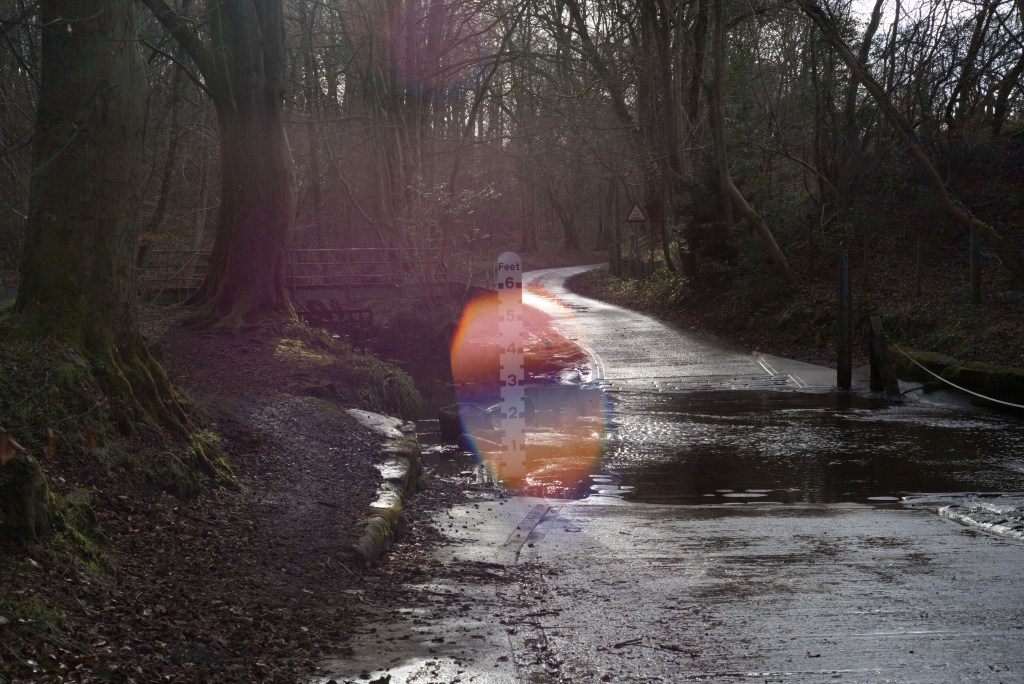
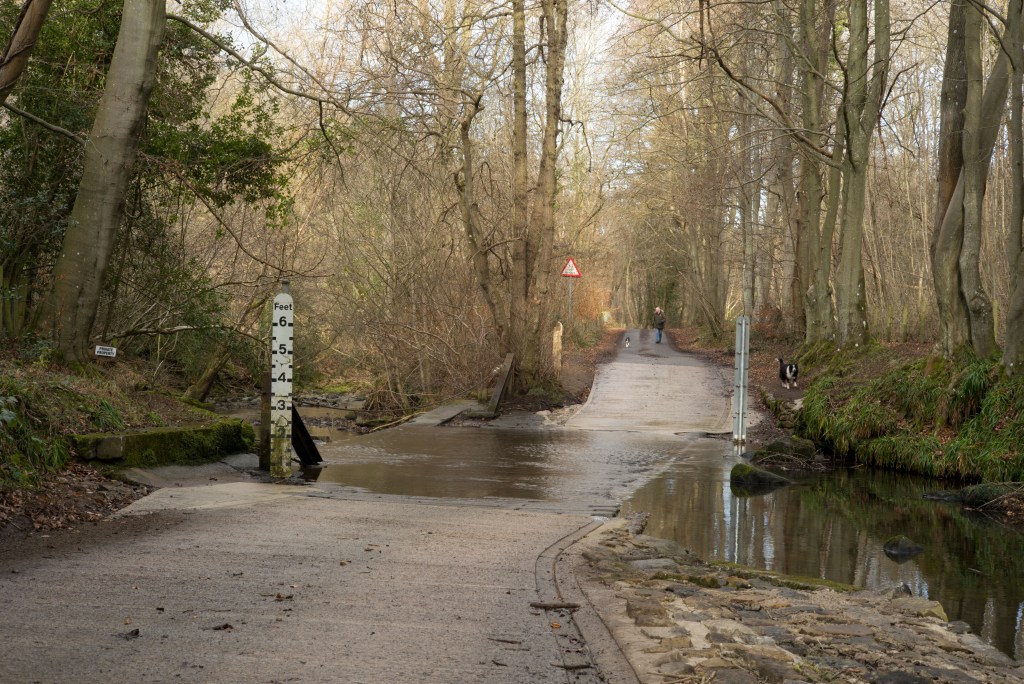
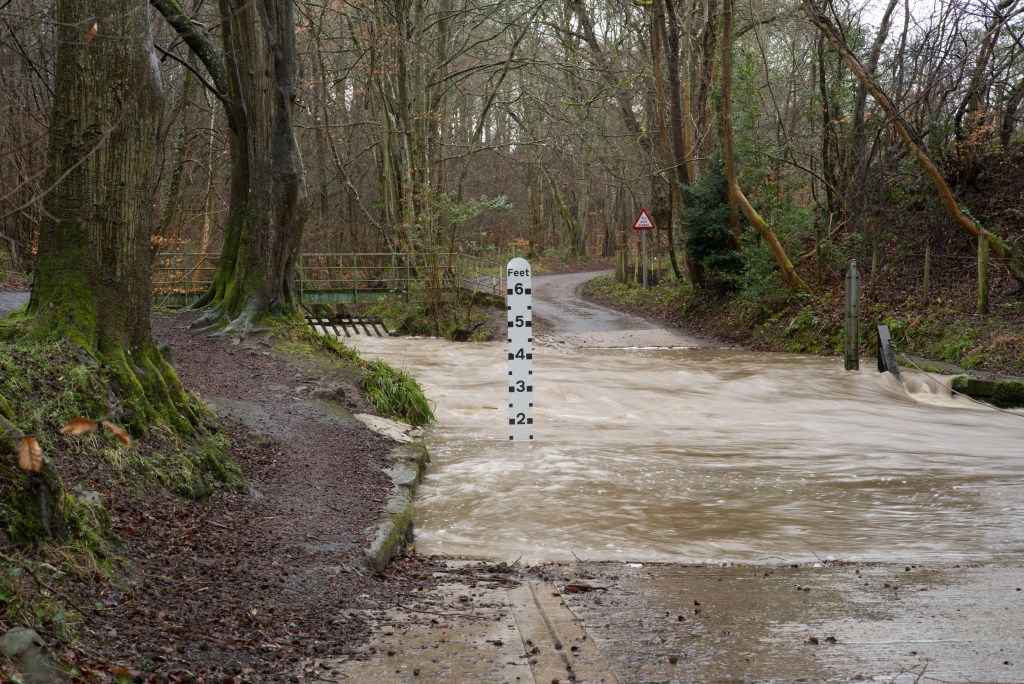
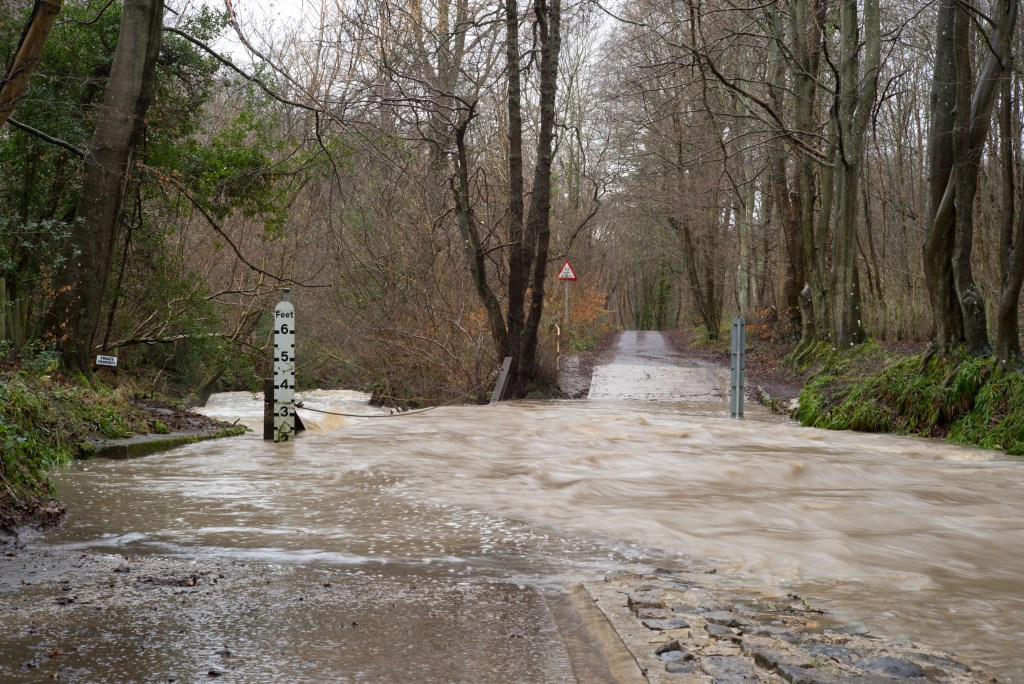
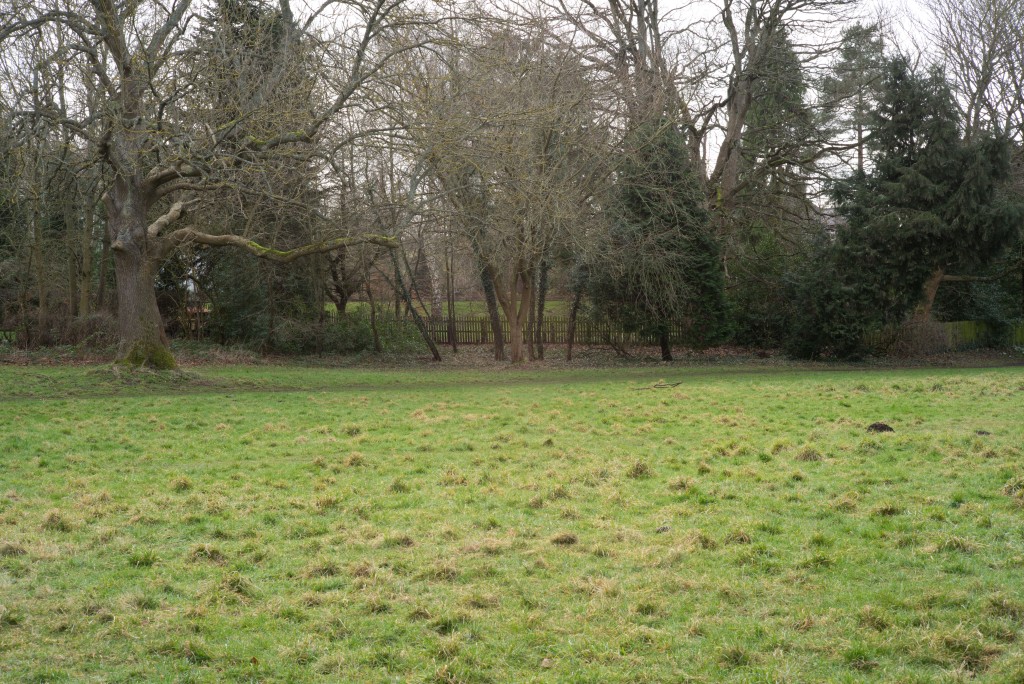
Another brief update as we have just had our first snow of the winter. We did in fact have some snow a week or so ago, but only down to about 100 metres above sea-level (my house is at about 70m and the fords at 50m). Today though it snowed right down into the floor of the valley. So, despite the horrid conditions – it was more wet than anything else – I went down to the fords again this morning to try to catch the changing conditions. There is not a great deal of snow to be seen, but at least there is something to indicate this is winter! Also the light was so poor the exposures were quite long (up to 1s) so that it is not possible to see individual flakes falling. There is though general blurriness that indicates the weather was not good!

24/02/2020
24/02/2020

Assignment 3: Further thoughts

Although I decided where I wanted to go with this assignment a while ago I have nevertheless continued to give it further thought as I work on it. Given the amount of Fay Godwin’s work I have been looking at in response to the course material of late I have given some consideration to another possible approach.

As I have written at various times, going right back to EYV, one of the strands in Godwin’s work that particularly appeals to me, increasingly at a political level, is those images that deal with people being excluded from a landscape: the ubiquitous notion of the “keep out” sign. This seems to me to be a particularly negative way of turning a space into a place. It does to though by exclusion: what was previously an open space, theoretically at least, open to and accessible by all, becomes a place, a specific place from which everyone other than the “owner” is now excluded.

Many of us do it, putting up fences and hedges around our homes, installing gates, intercoms and CCTV (as I have explored within my own village). Increasingly corporations are creating places around their buildings that appear to be public until you run into the security guards, note the cameras, discover the rules and regulations specifying what you can and cannot do (No Food, No Drinks, No Dogs, no rights!). Perhaps it is a natural human impulse.

I do think this offers fertile ground. I am though wary at the moment of getting into another rant (I do not know about any readers but it makes me tired) and so am going to stick with the more neutral, unpolitical approach that I have already started to work on.

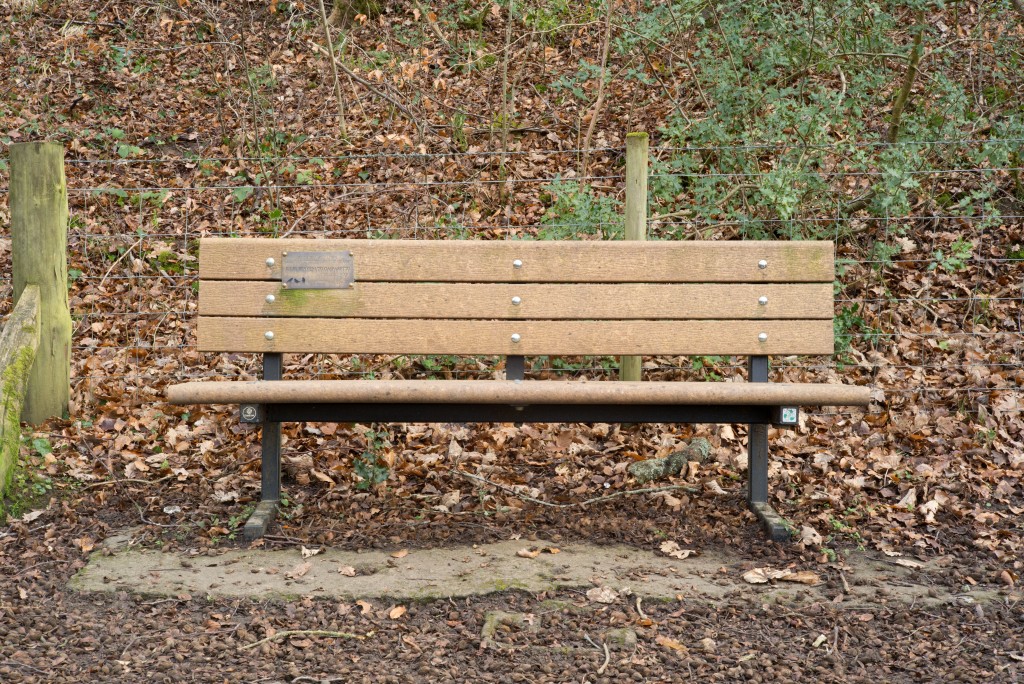
So far as that project is concerned, having started out concentrating just on memorial benches, I have discovered that there are not in fact quite as many locally, despite the surprisingly dense cluster within a kilometre of my house, to provide enough material. I have however observed plenty of other, non-memorial, benches that share the same sort of apparently almost random citing that creates “non-views”, spaces becoming a sort of non-place, or at least one without any obvious significance. As they all have this particular factor in common I am going to spread my net a bit wider to include some of these other idiosyncratic spaces/places.

Assignment 2 – Tutor Feedback

I had a very useful discussion with my tutor the other day in response to my submission for Assignment 2, which I am very pleased to report he liked! For ease, below is what he wrote in his formal report, that also covers a number of other issues:

Overall Comments

We discussed issues relating to the course in general; a perceived (in)balance between theory and practice (something I will raise at the next tutor meeting) and assessment procedure. One particularly interesting observation/revelation you talked about was an increasing sense of politicization relating to matters of Landscape; such a contrast to the classical and modern approaches to work in the genre.

This is a detailed and highly informed submission, clearly documented in the Learning Log from initial ideas to the final set, with an alternative version and two potential modes of presentation – slideshow and concertina artefact printed on both sides.

Feedback on assignment 

The submission is a strong conceptual work based on deep research and knowledge of extant work and practitioners.

Clear evidence of research into practice and an independent take on the brief which explored not only the idea of the ‘journey’, but also an alternative aesthetic, one antithetical to the conventional (picturesque) idea of landscape.  

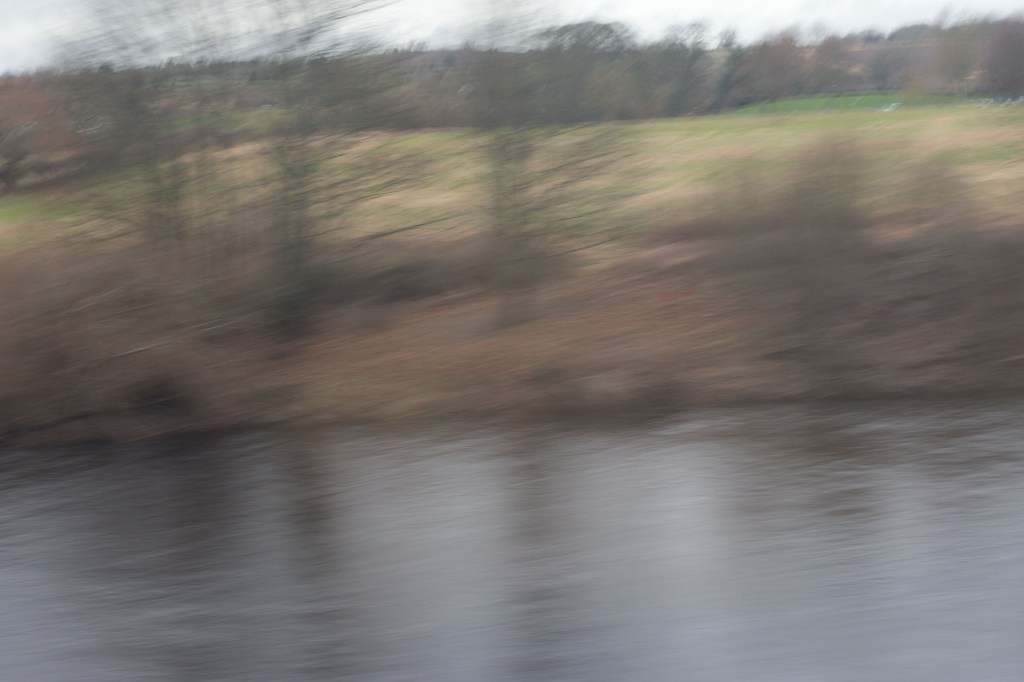
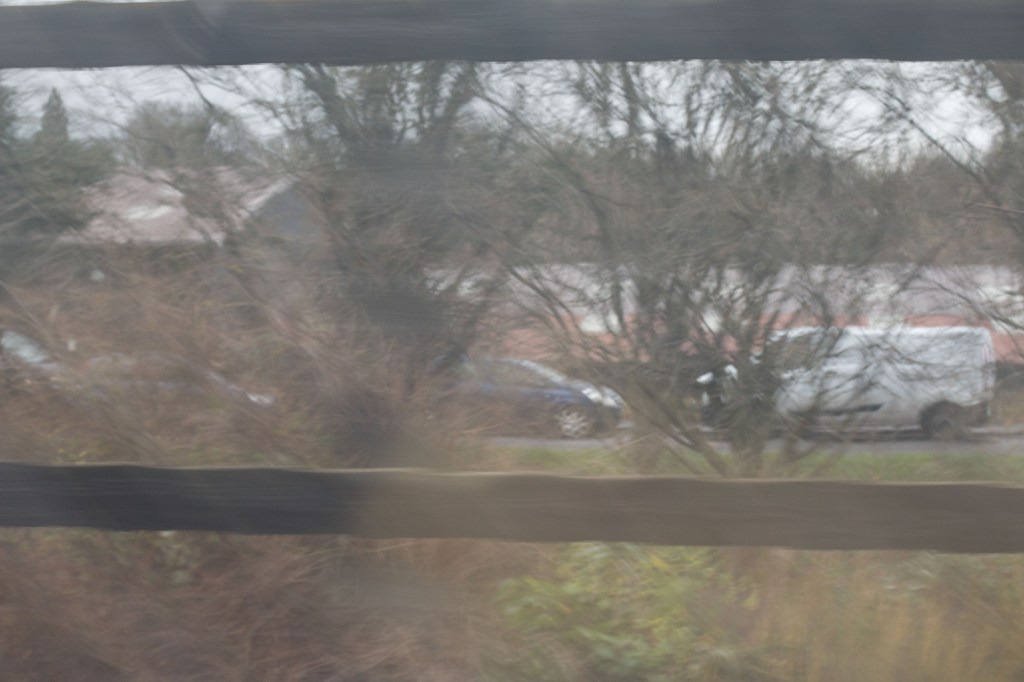
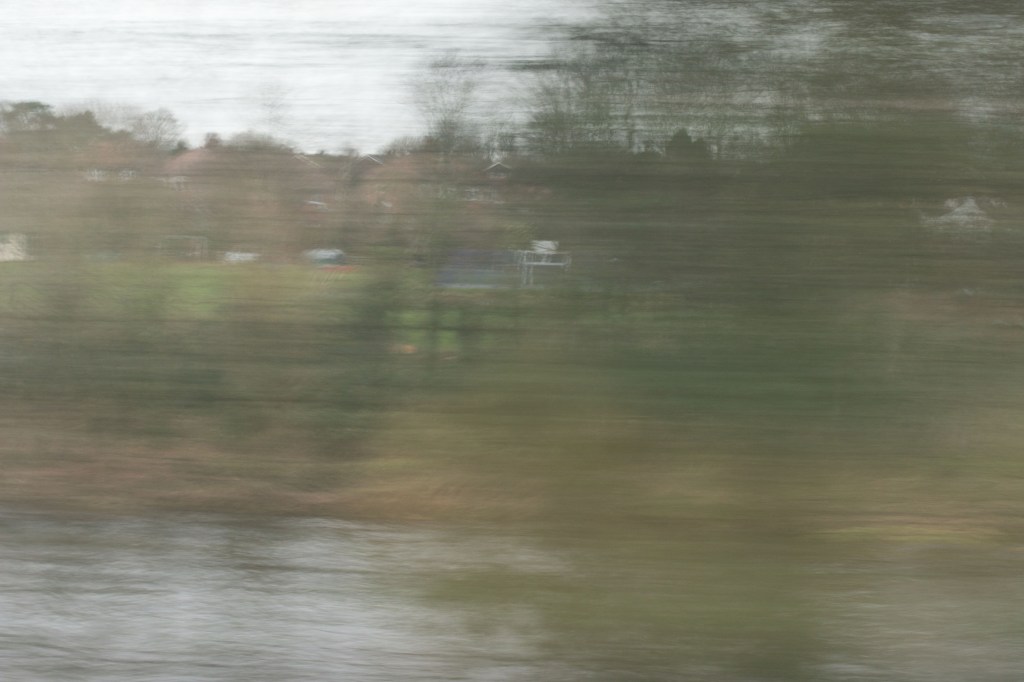
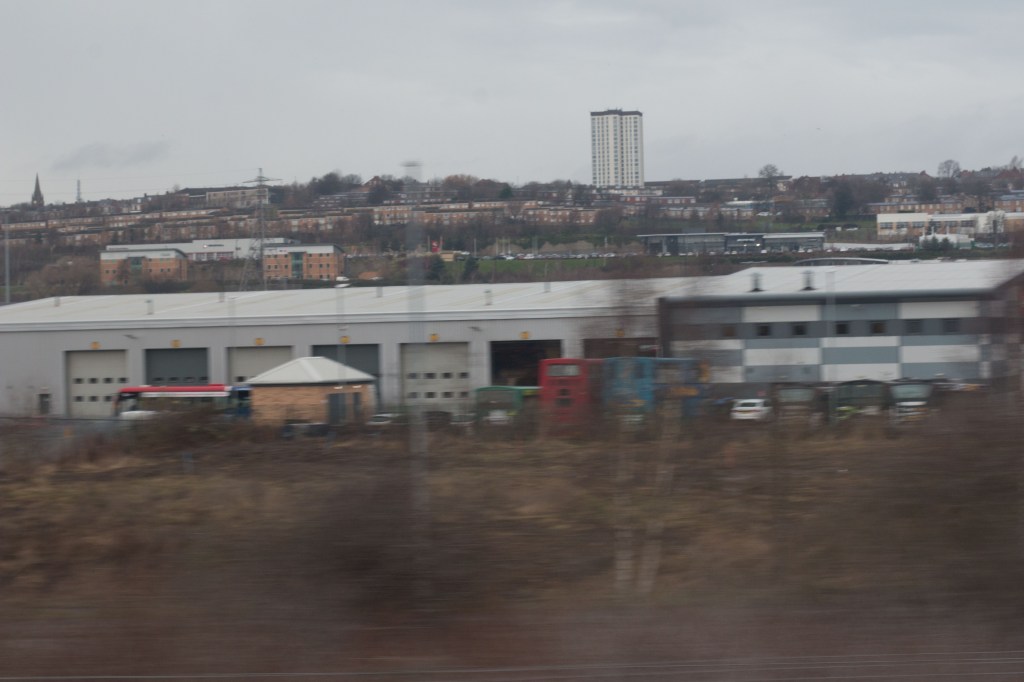
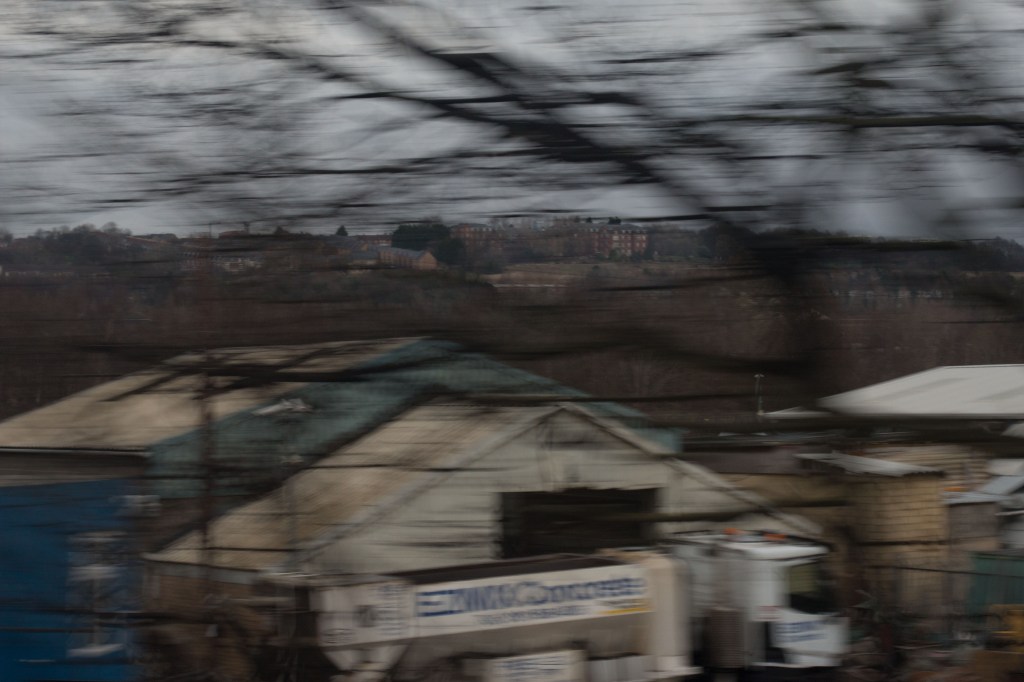
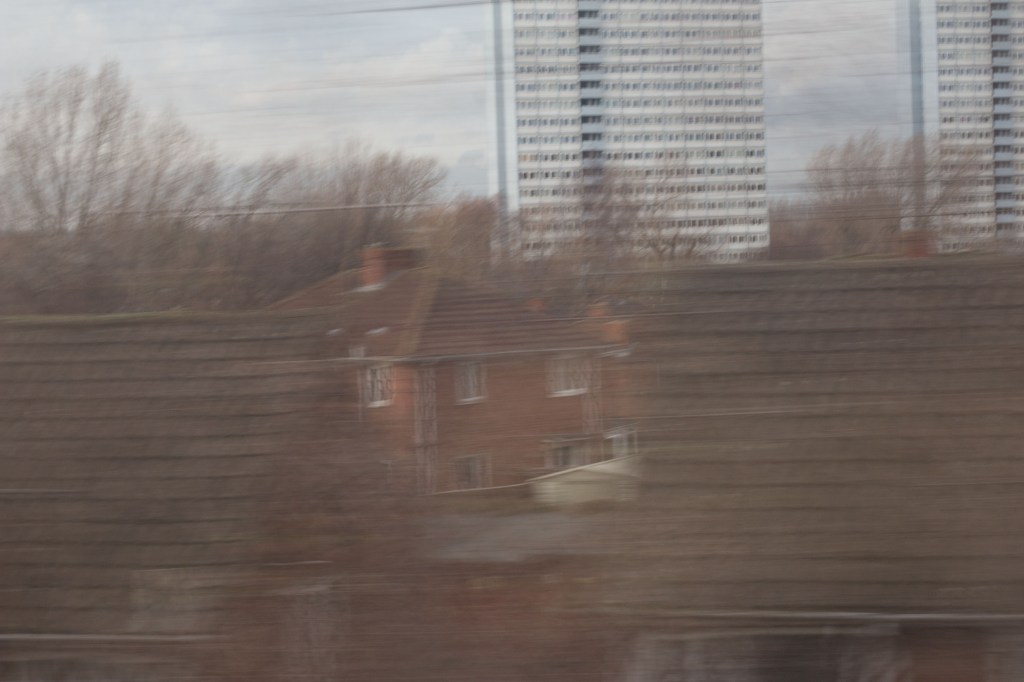
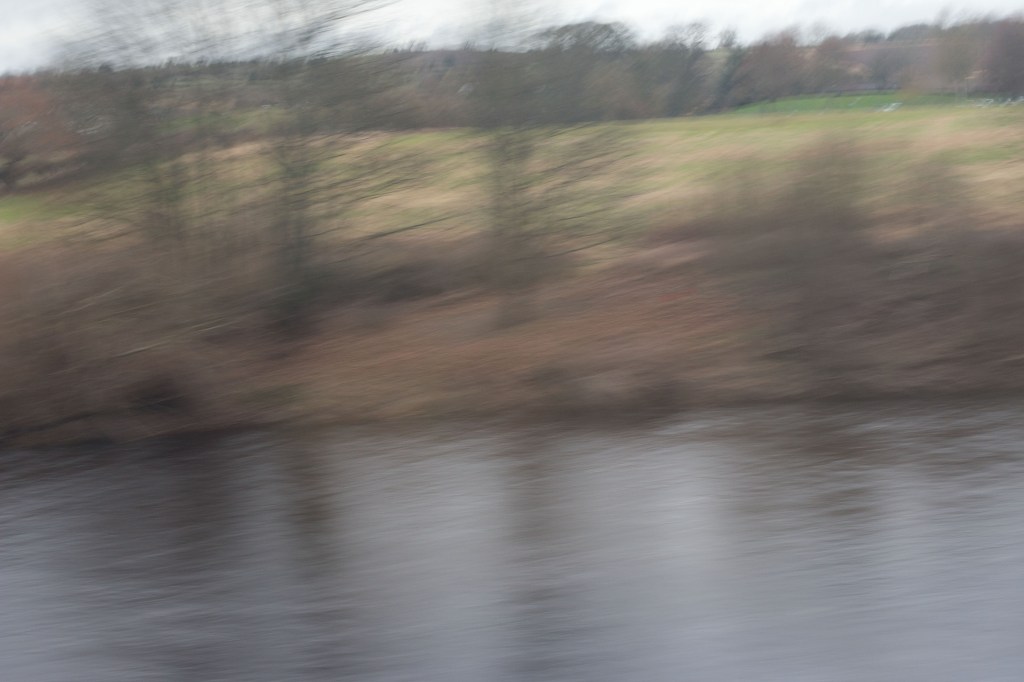
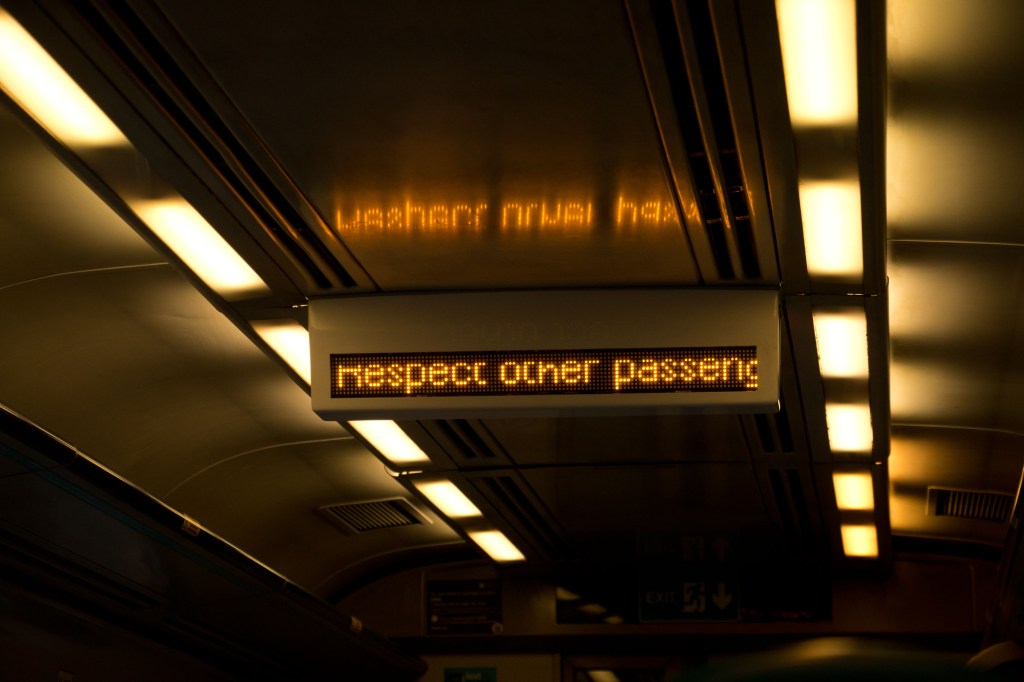
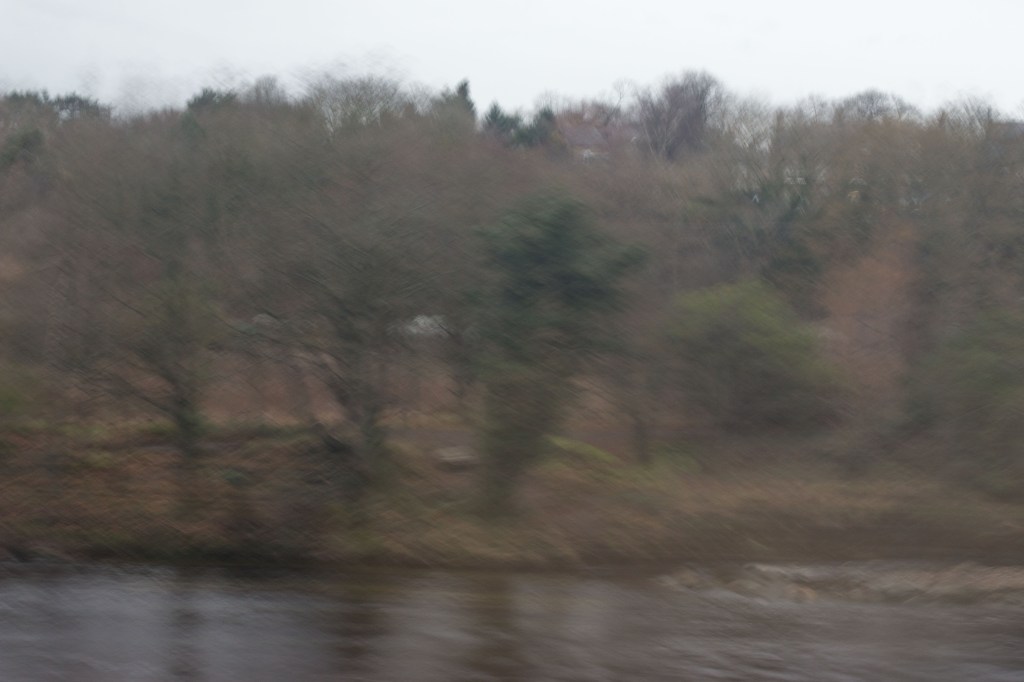
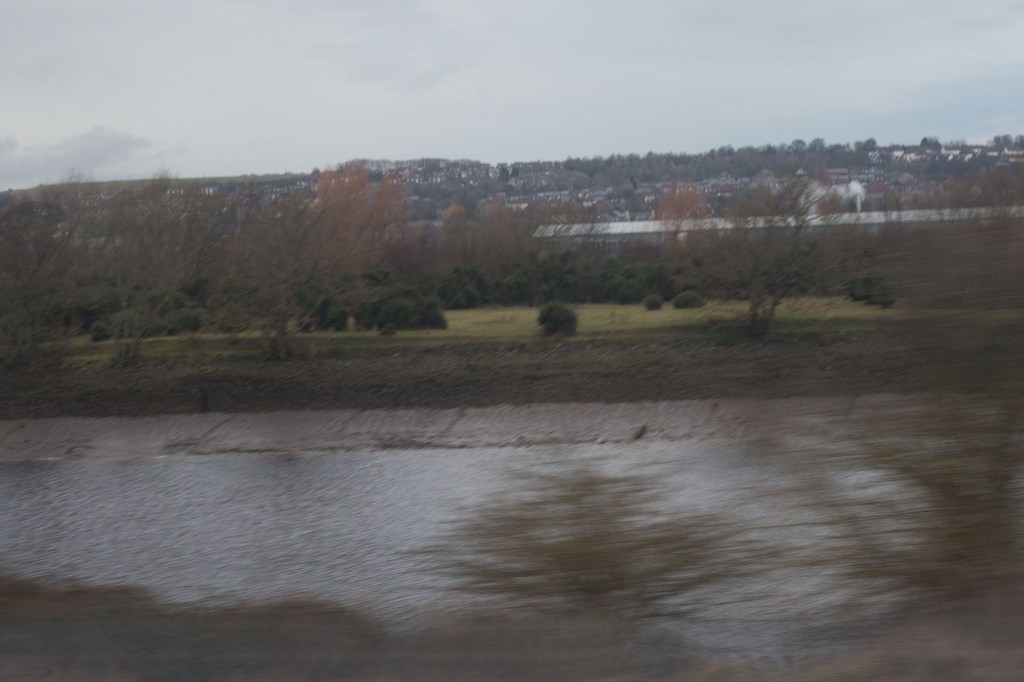
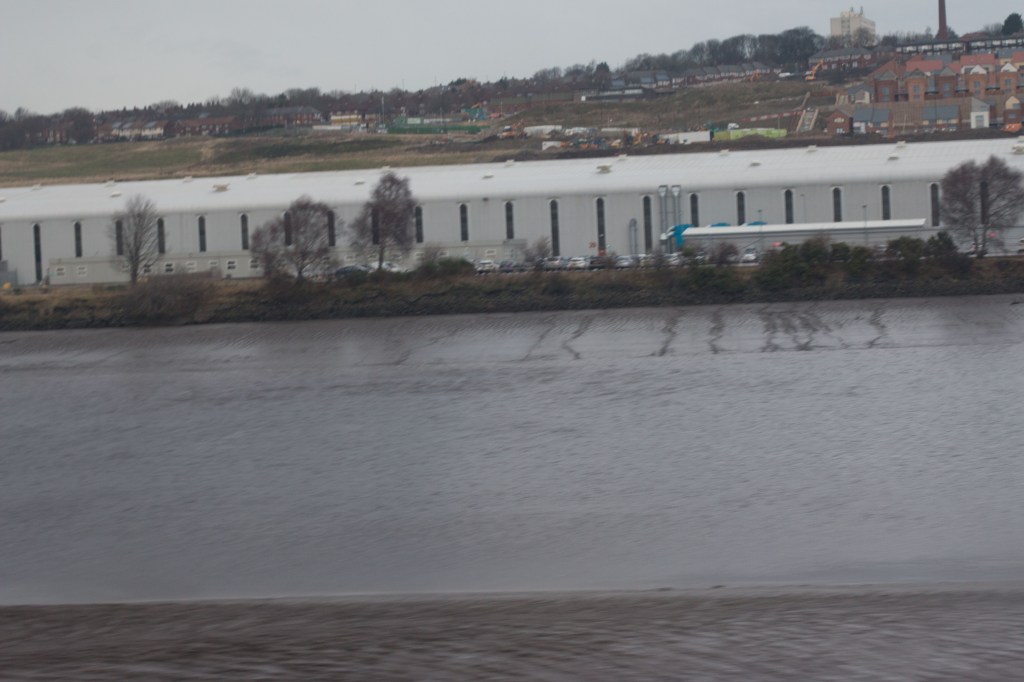
There is always a danger of allowing a concept to determine the final work rather than having a high level of control over the choice of subject matter, and this can be a problem when engaging the viewer.  However, this set works well with the aims fully realized in a set of ‘randomly’ generated images documenting a train journey, with no post-production work or correction.  The set captures a real sense of the tedium of a repeated journey from the passenger‘s perspective as well as a sense of the physical limitations and possible perceptions of the landscape – snatches of rural and urban life flattened by the parallax depth of field, motion blur and muted seasonal colour and contrast.  This produces some genuinely intriguing images, a fleeting sense of the world around us and the limited grasp and understanding we can have; also, the form of the landscape, often blurred and smeared across the frame and textures, in the river, for example, an accidental byproduct of the process. 

We discussed the possibilities of exhibiting this type of work, with a slideshow as one option, or a printed concertina artefact similar to the work of Zoe Childerley’s work ‘Debatable Lands’.

Finally, what impresses is the amount of work – research and practice – that went into this project and importantly a sense of continuity of approach from Assignment 1.

Coursework

Demonstration of technical and Visual Skills, Demonstration of Creativity 

Detailed response to projects and exercises throughout.

Research

Context, reflective thinking, critical thinking, analysis  

The research and reflection carried out for this assignment, (mostly) independent and  exploratory, is highly focused and aligns itself to a contemporary contextual framework: from the Land Art of Christo, Long and Nash to recent exemplars by Kazuma Obara and Craig Mod (Kumano Kodo). You draw upon a range of sources and demonstrate a real knowledge and literacy of the medium in this genre.  Importantly, the continuing nature of the research over time running in parallel with the development of the assignment allows you to maintain a critical awareness of your own practice.  The final research note is about Ravilious’ ‘Train Landscape from 1940, with a quote that (I agree) clearly reflects your own aims:

‘We imagine ourselves, by an odd transference, as seated in a stationary interior with the world rushing past outside …”

Learning Log

We didn’t touch on the LL, but I can see that you’ve updated the pages with an article about the recent offerings at the Side Gallery and the ‘One Billion Journeys’ showcasing Wang Fuchun’s work  – interesting parallel to the Provoke group, and of course how this feeds into the development of your A2. 

Three detailed posts uploaded under your Notes tab on Postcards, (the usefulness of) Theory into Practice.  ‘When I am out taking pictures there is no room in my bag for books on theory!’ ,  a lot of practitioners would agree

The piece on filters (for analogue) was particularly interesting, I did a lot of work on ‘day for night’ cinematography in the 70s. Using the conversion tools in PS can produce a range of results and totally different moods in monochrome; I find them most effective with a considerable degree of control.

Suggested reading/viewing 

Tsunami Sidewalk by Chris Steele Perkins

 HYPERLINK “https://vimeo.com/42778555” https://vimeo.com/42778555

Pointers for the next assignment / assessment

We discussed the development of A3 and you are exploring ideas around Memorial benches and the landscape views they offer.  I can see a continuity of theme from A1 and 2 here in the sometimes random or mundane views these benches offer: who determines where they are sited, the doner, charity or local authority (?) 

We also discussed developments for Assignment 6 and the regular captures you have made for the ‘Ford’ project – all going well.”

All very gratifying and encouraging. At last I am beginning to think I am getting somewhere with this!

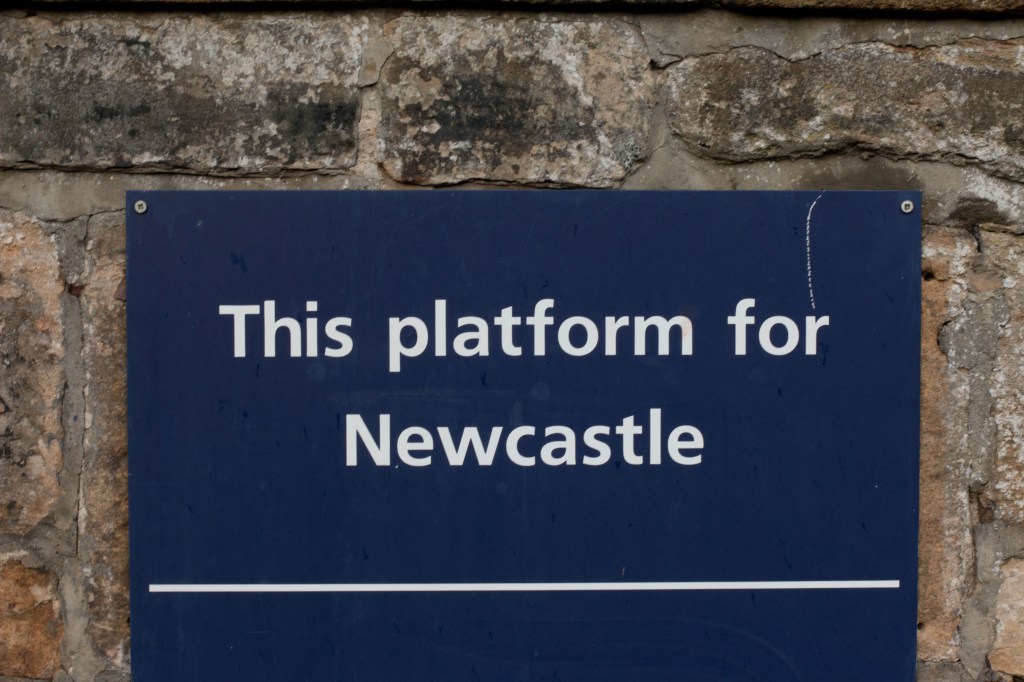
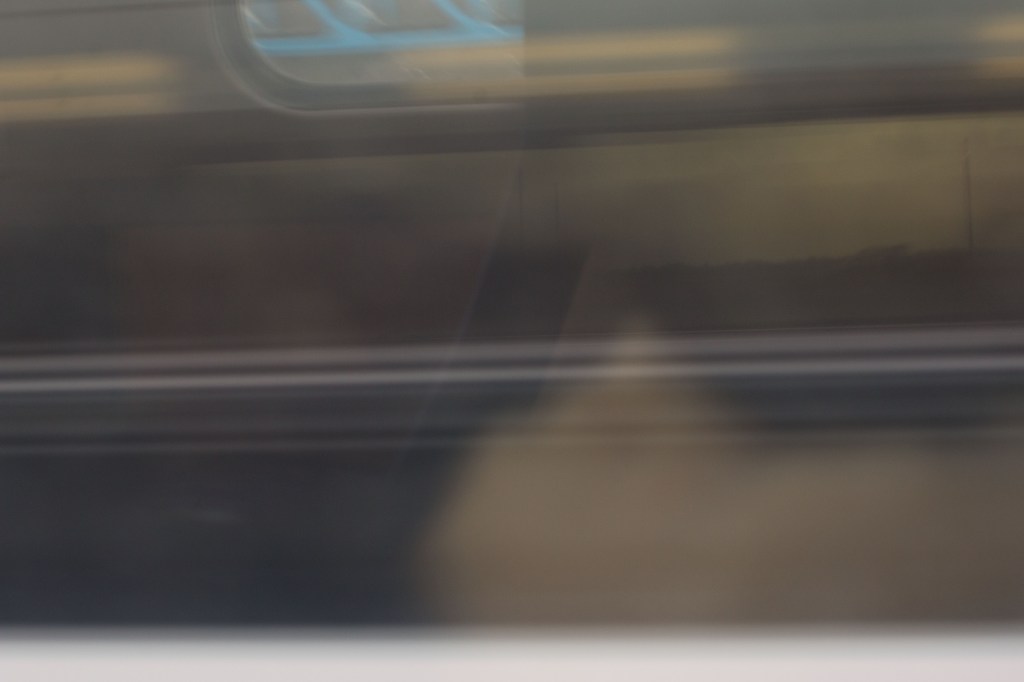
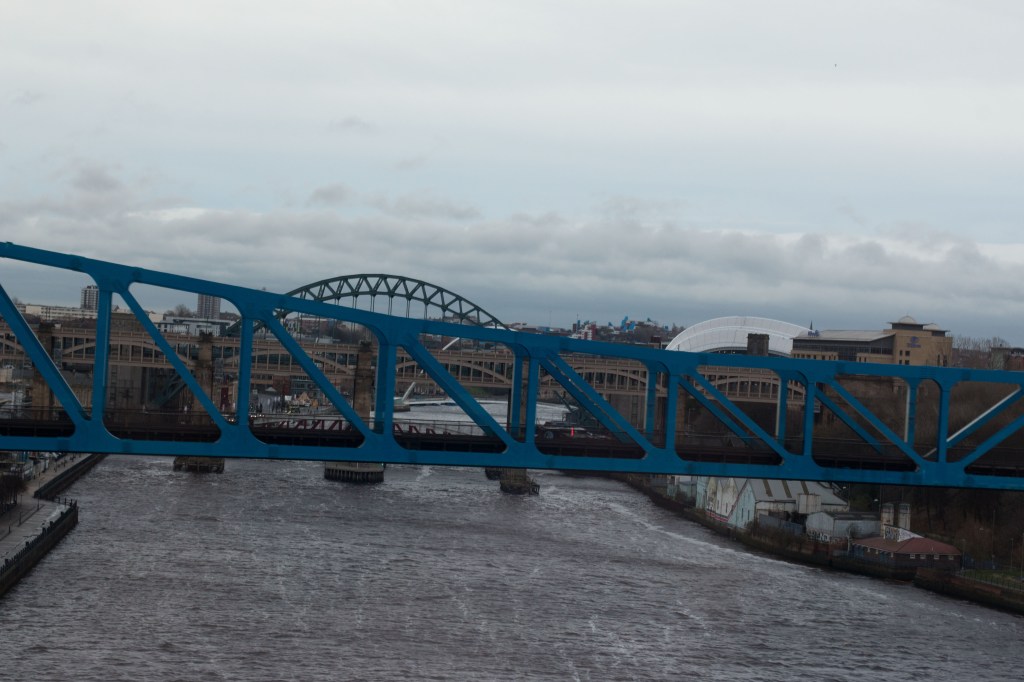
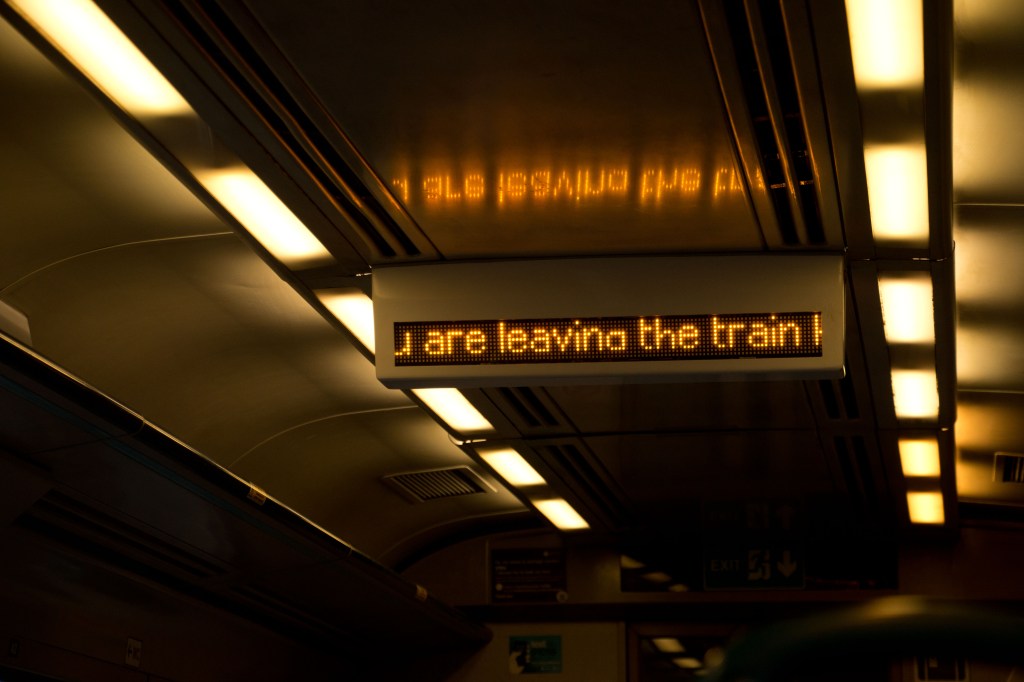
In the light of this feedback I do not really think that my submission for this Assignment necessarily requires any reworking. Nevertheless, having talked it through with my tutor, and having in particular reconsidered the alternative set that I produced, I do think there is a benefit in adding a couple of images from that other sequence to the primary set. In particular, there is something to be gained by adding the shot of the passing train, the tenth image in that series. Passing other trains, particularly on the bridge, is a common feature of this journey. Visually I also think it adds something in so far as there is the glimpse of the train, the Metro bridge (the blue one) just visible in the background through the windows of the other train, and a reflection of my train.

In addition, as I intend to follow up with the book idea (on which more anon) there are two images that might be used on its cover, that is the first and last of that other sequence. The first effectively gives a title to the set as a whole, and therefore to the book, and would be useful on the front cover. The last one gives a sense of the completion of the journey and so might usefully appear, perhaps just as a quite small print, on the back cover. The next step is to gets some prints made and start mocking up the book!

I will do a separate post next with the full, revised sequence.

Similarly I will write something more once I have had a chance to look at the Chris Steele Perkins video. (There is of course a local connection in so far as he spent a lot of time here in the North East and I wrote about his The Last Ships exhibition on my I&P blog: https://markrobinsonocablog3ip.wordpress.com/2018/09/26/the-last-ships-exhibition/)
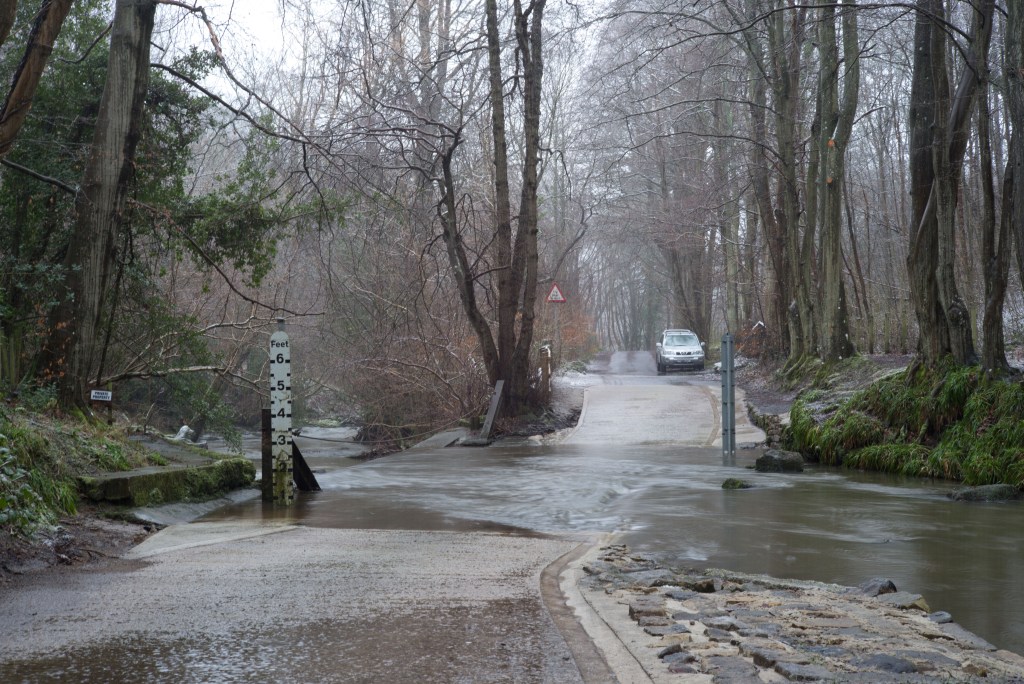
Assignment 6: An update

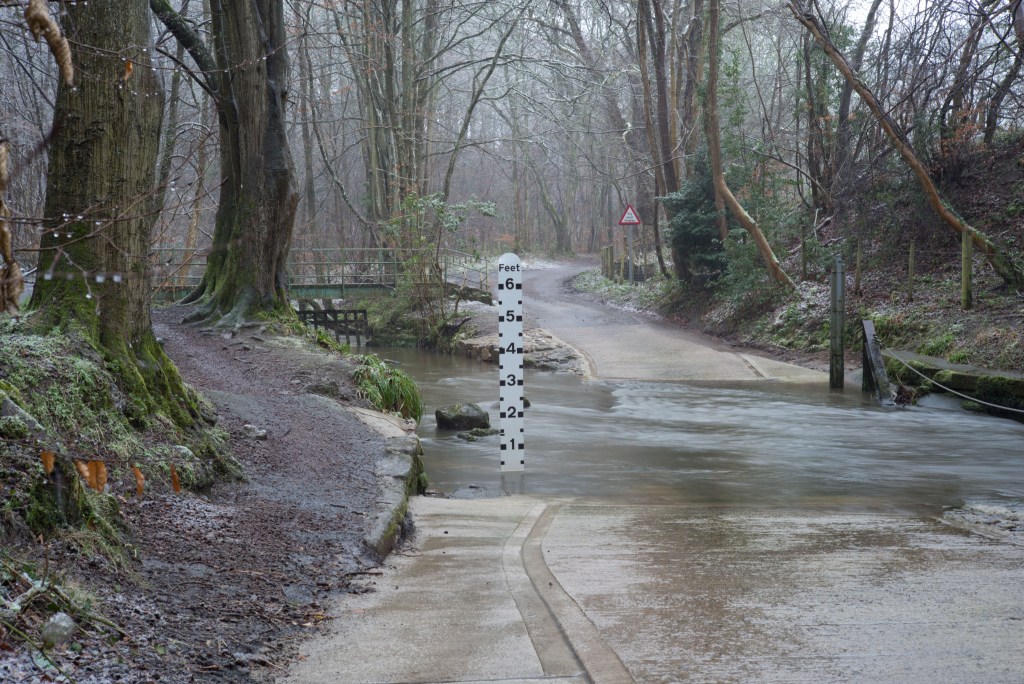
Though I continue to take shots for this project every week I have not posted an update for a while. I have decided to do so this weekend to reflect the way this scene can change significantly at very short notice.

Yesterday was calm and sunny so I decided to make some pictures before Storm Ciara struck, in case the weather became too bad to get out. Paradoxically, despite the almost hysterical warnings about this storm, today has not been so bad at all; wet and windy certainly but I have seen far worse!

Note there are only a couple of inches of water in the ford. Compared with today, less than 24 hours later, almost two feet deep on the upstream side:

Assignment 3: First Thoughts

Although I have only just submitted Assignment 2 and am still working through the course material for Part 3, I find that I am already thinking about possible approaches to this next assignment. I have not done any active research yet but already some ideas are staring to form and today I managed to take some initial test shots to see what the outcome might look like.

At this stage, rather than focusing on one specific landscape I am exploring different iterations of the same sort of physical environment, particularly memorials. I am not so much interested in, for example, large scale, municipal monuments but something much more low key, and even private. One idea that I have had relates to impromptu, temporary roadside monuments which often seem to spring up at the sites of accidents: bundles of flowers tied to lampposts, soft toys, photographs. I have not explored this yet as at the moment I cannot think of enough such sites locally that would offer enough scope for a project.

For now what I am exploring is memorial benches. I do not know why it should be the case but there seems to have been an explosion of them in recent years. In my own village, for example, I can immediately think of at least four private commemorations and one formal one, at the village war memorial. There will be plenty more in the other villages and towns along the valley.

What particularly intrigues me about these memorials is the way they lend a sense, real or imagined, of significance to a particular location that it might not otherwise have. Everywhere is just “space”. It only becomes a “place” when there is some form of human intervention. That might be a physical intervention, as here with the act of setting up a bench, or by simply giving somewhere or a physical feature a name. Turning a space into a place is an act of appropriation, colonisation. The sites that I have looked at so far are not significant in themselves. Setting up a memorial though establishes a sense of significance at least for the person remembered (invariably now dead). Because a place had some significance for someone else in a way makes it significant for the subsequent visitors and viewers, even if only in that it was significant to someone else.

Although I have not done any conscious research yet, there are a couple of artists that I can think of immediately whose work has, inter alia, explored this notion of making a space a place by way of human intervention in and on it. One is Martin Parr’s Scottish post-boxes work: I am not familiar with it and have not yet explored it any further but I am at least aware of it and from what little I have seen, even if it was not necessarily the point for Parr when making the work, I think it is an interesting illustration of my point.

The other, who does appear in my own library, is Eiji Ohashi and his pictures of vending machines in Japan. Some of those that he photographed are in the middle of nowhere. Their very presence though, and I also think the act of photographing them, turns that nowhere into a somewhere.

That said, in some of the cases that I can think of, the chosen sites for the memorials give no indication of having been significant to those remembered. In at least one case that I have looked at today the site seems to have been chosen simply because it is a convenient public space. The result is that even though that space is not inherently significant it nevertheless becomes significant simply as a result of the siting of the memorial.

Two other points also occurred to me as I started to think about this. One is that, in my experience, despite being benches, self-evidently designed and built for the purpose of being sat upon, people rarely do in fact sit on them. For example, one is in a common field just a few metres from where I live that is frequented daily by local dog owners. Occasionally, particularly during the summer months, one might see someone sitting on the bench while their dog plays, but it is not an everyday occurrence.

The other relates to the siting of the benches. Whilst those I have looked at so far are in attractive locales, the views from them are not particularly picturesque. Although they offer welcome respite and rest on a walk they do not necessarily offer views that you would want to experience for their own sake.

Bearing these points in mind, what I have explored so far is the idea of producing a series of diptychs, showing the bench and its immediate surroundings, together with a view from it. For that view I have chosen one straight ahead, at right angles to the line of the bench in order to avoid giving a partial or distorted impression by choosing one over another.

Not for the first time, and almost certainly not for the last, I find myself at the moment indulging in a typological approach influenced by the Bechers!

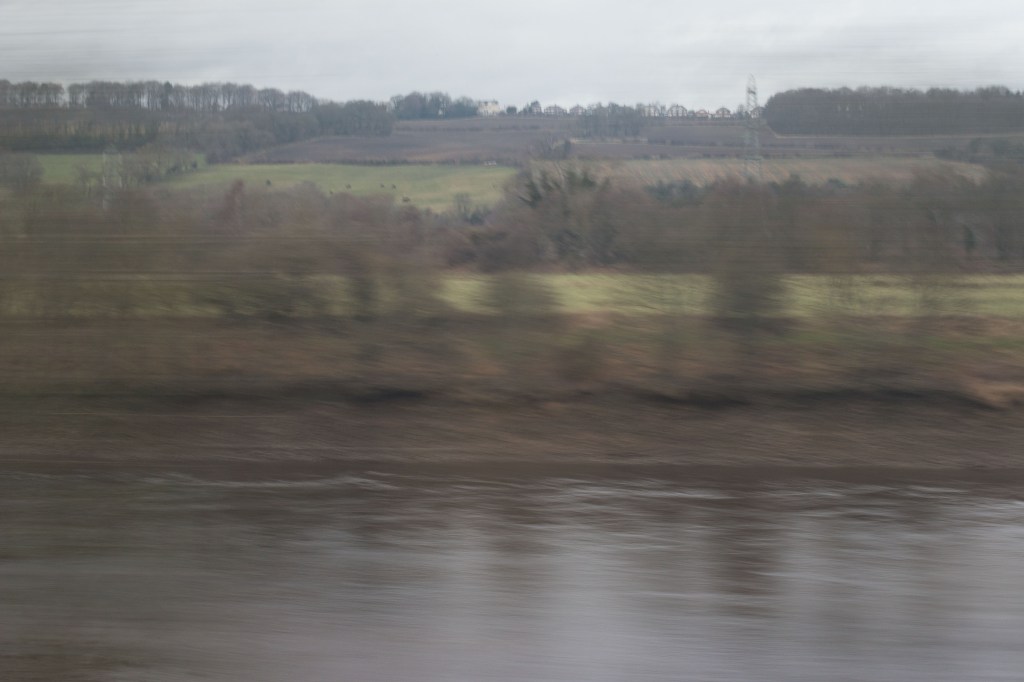
By way of a further experiment, in addition to using a digital camera I am also using a medium format film camera, in black and white only for now (this is, I guess, a nod in the direction of the influence of Fay Godwin that is almost certainly lurking at the back of my mind when I think of a project like this) but obviously I need to finish the first roll before I can develop it, scan, and post the resulting images. Here is what I have got so far just from the digital camera:
Ohashi, E, (2017).  Being There.  Tokyo:  Case Publishing

Ohashi, E, (2017).  Roadside Lights.  Tokyo:  Zen Foto Gallery

Assignment 2: Presentation

Whilst I will probably only finalise the set for this assignment once I have had feedback from my tutor I have nevertheless in the meantime been giving some thought to how that set might be presented when the time comes for assessment.

For the last assignment of I&P I toyed with the idea of making a form of concertina book. Eventually I rejected the idea as it did not really present the message that I wanted to get across, and my then tutor was a little cautious from a technical point of view, such a thing not necessarily being easy to pull off. Ironically I understand that the assessors were quite keen on the idea! For the present project though I think it would be ideal.

I do have a precedent in mind in the form of Zoe Childerley’s book (2016) which she made at a time that I was helping out at VARC. From her experience I know that it was technically quite a difficult book to produce (the first production run had all of the photos in reverse order!) but the final version works really well, with the sequence of images on one side and a map of the route that Zoe walked on the reverse.

Something like that should work well here, though instead of a hand-drawn map I would propose to make up a strip from an up-to-date OS map. Subject to looking into the practicalities, I doubt whether it would be feasible, practically and financially, to have a book made up professionally. I know that there various companies out there that will make bespoke photo-books but I am not sure about something in quite this physical form. It should though be possible to make a reasonable hand-made example that will at least adequately illustrate the principle.

Childerley, Z, (2016) The Debatable Lands.  High Green: VARC

http://www.zoechilderley.co.uk/the-debatable-lands-book/4593164515

Assignment 2: Alternative Final Set

Having started to think about the strengths and weaknesses of the first final set that I have chosen, as discussed in my last post, and about other ways in which this project might be presented, I have come up with another set.

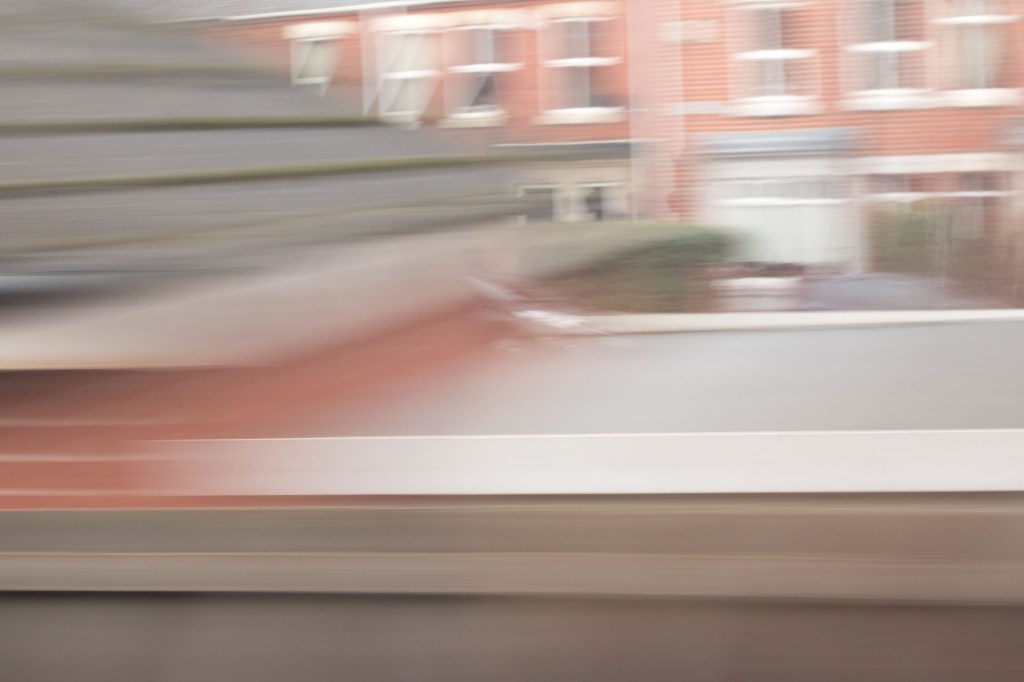
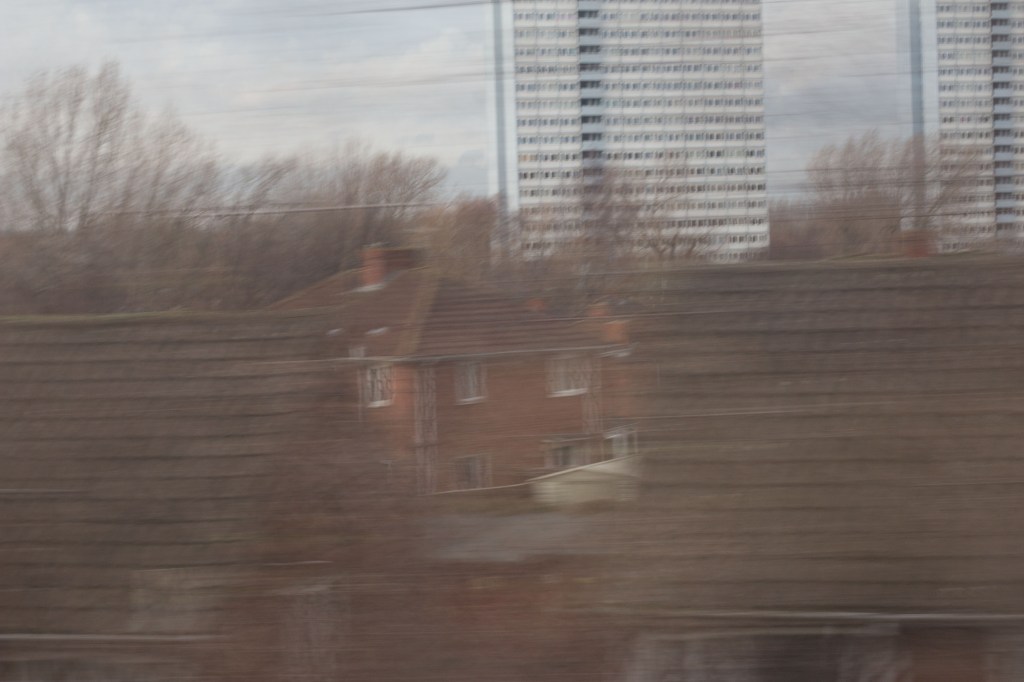
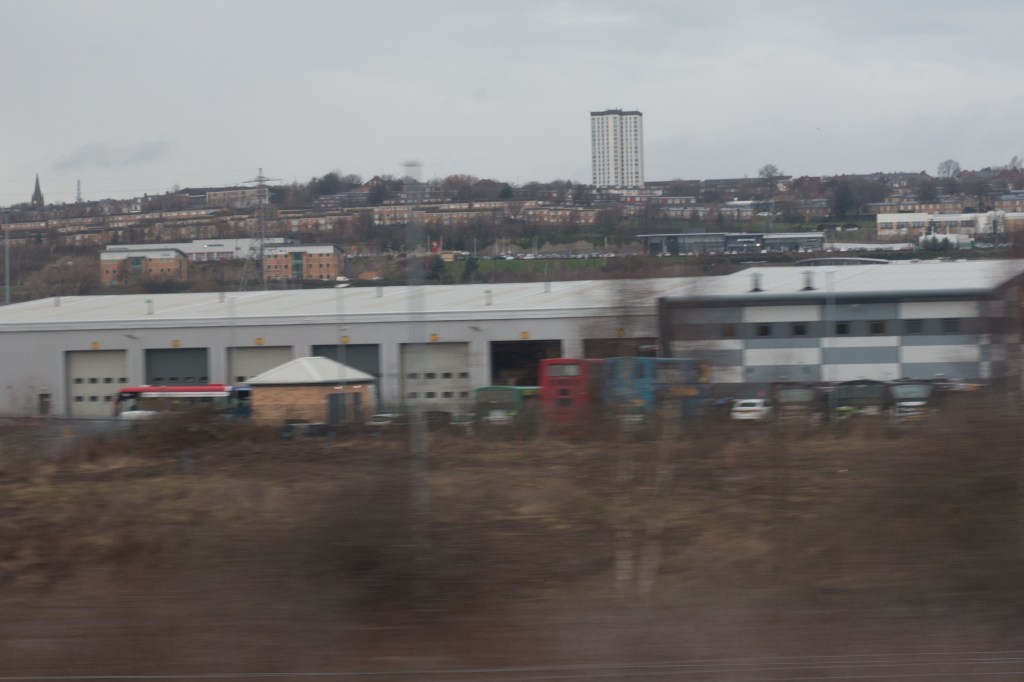
The last set was very much based on the visual experience of being on the train and experiencing the journey through the window, observing the landscape as the train passed through it. For an alternative approach I have put together a more varied set describing the journey itself, from boarding the train to getting off, as a more abstract experience. A number of images have been carried over from the previous set. Some have come from the attempt at a text based set. I have though added a few new ones from the first shoot. Again, I have tried to highlight the contrast between country and town, this time adding a bit more emphasis on the build up of residential areas as the train comes into town. I have also hinted at the presence of other train traffic as one approaches Newcastle: the ante-penultimate image is of another train crossing the King Edward VII bridge into Newcastle.

Whether this is better I am not sure. It is at least more varied from a visual point of view. I can see an almost infinite number of possible combinations of the pictures that I took for this project but this one will do for now and at least I think it works.

Assignment 2: The Journey

Much of what the brief for this assignment calls for by way of interpretation, relationship with cultural aspects covered in this part of the course material, technical choices, and influences, I have already covered in previous posts for this assignment, specifically: First Thoughts; First Contact Sheets; Further Research; and Some Further Thoughts. To that extent I am not sure how useful or productive it would be to go over the same ground again, albeit in perhaps a more condensed form.

What I certainly need to cover is the choice of the final twelve images.

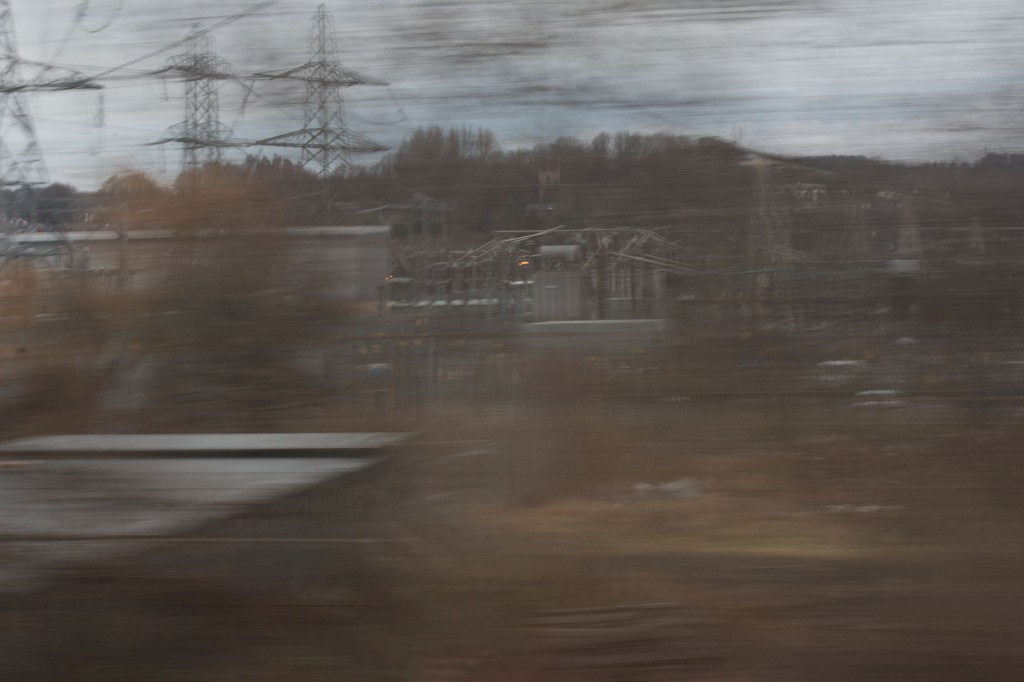
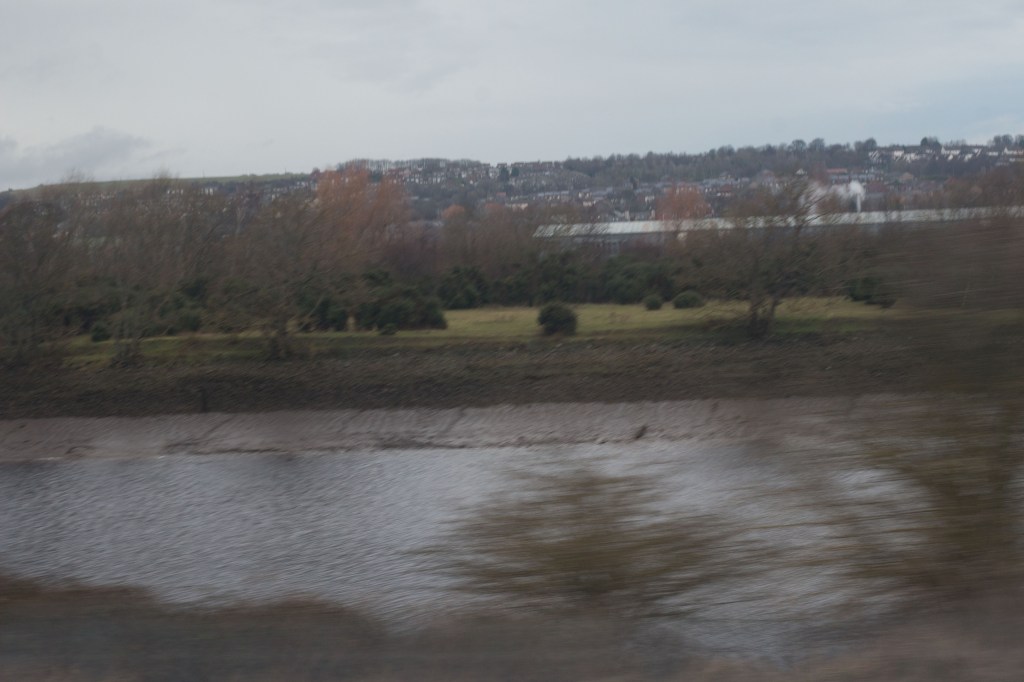
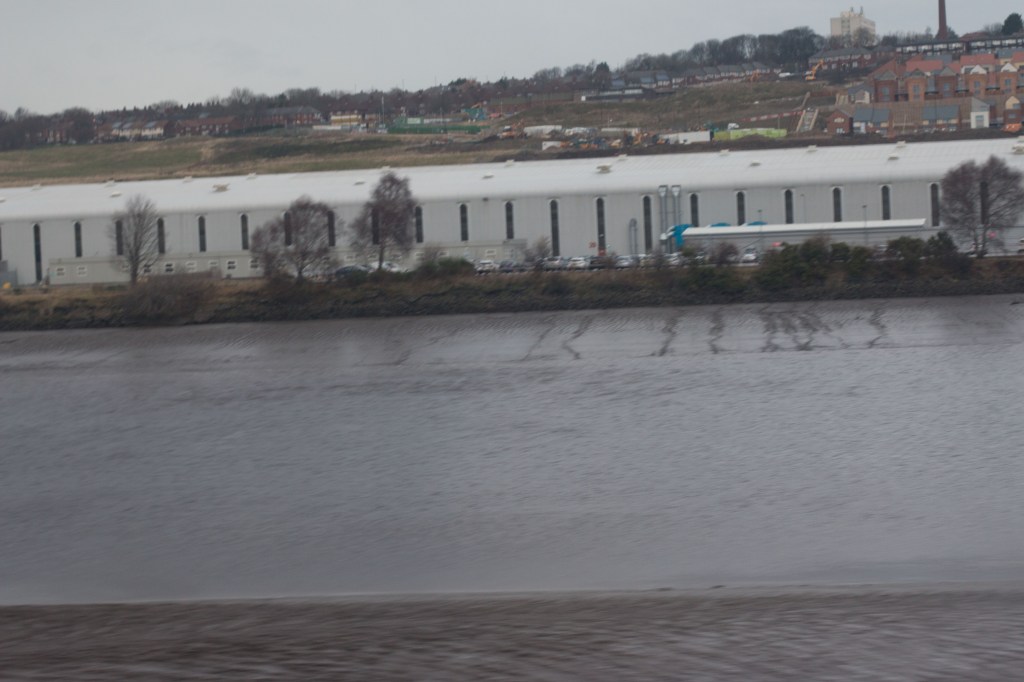
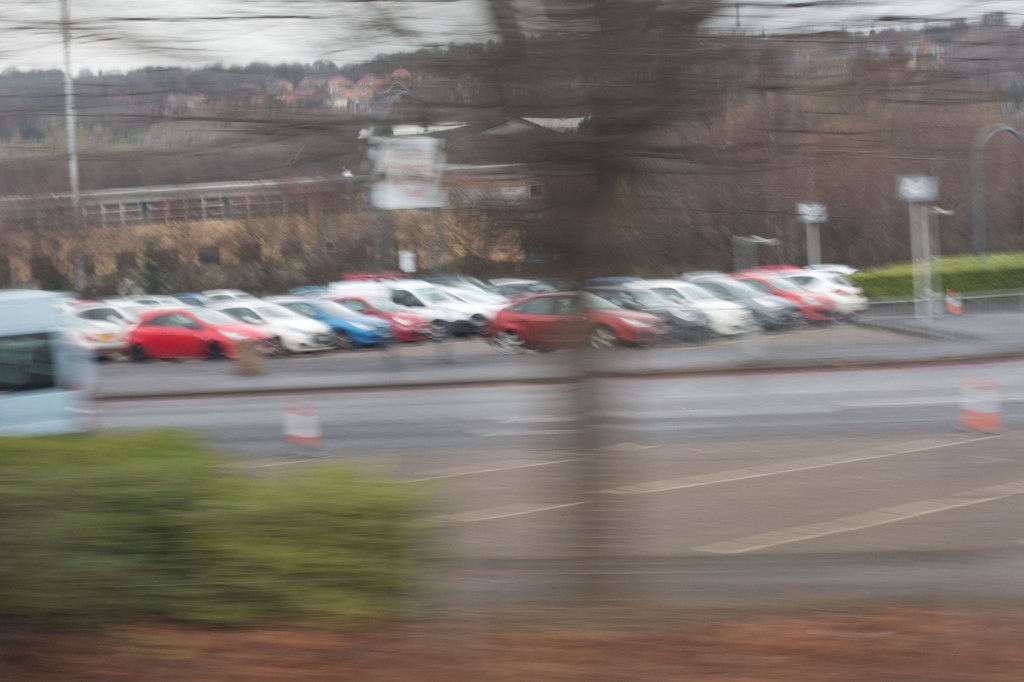
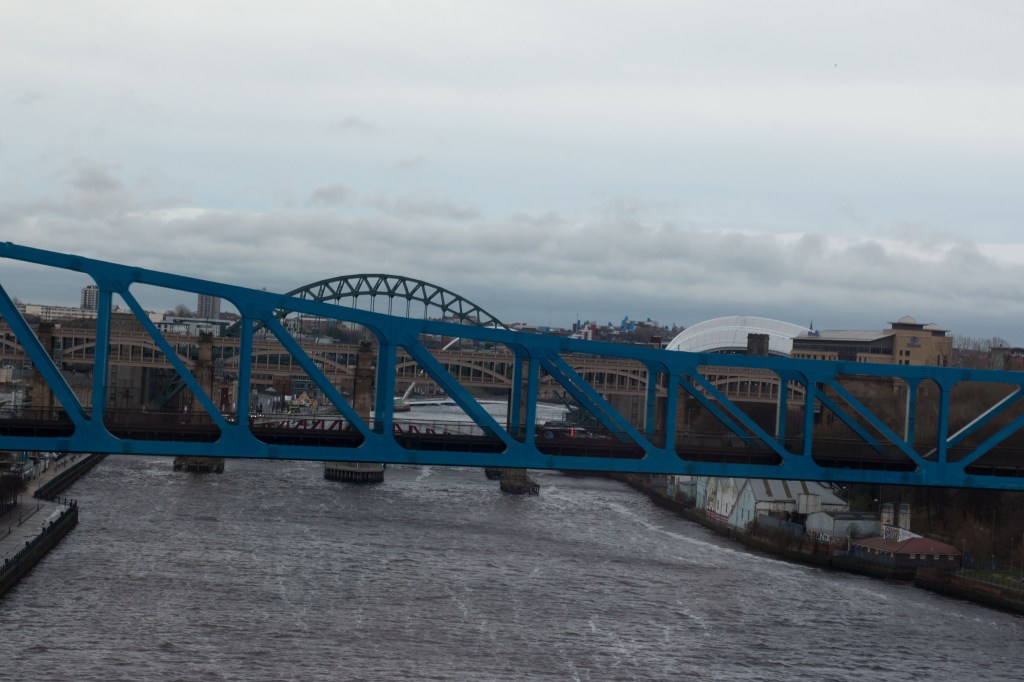
One aspect of the following sequence has inevitably been dictated by the nature of the assignment itself: the final images appear in the order in which they are encountered on the journey: The first image is from where the railway meets and runs alongside the river for the first time just after leaving Stocksfield station; the last is a somewhat out of the ordinary view of the iconic bridges over the River Tyne between Newcastle and Gateshead just before the train enters Newcastle Station.

Those in between I have chosen to give an indication of the way the landscape changes from largely rural, with the only major town before the outskirts of Newcastle are reached being Prudhoe, then becoming increasingly industrial, and briefly residential, before the bridges. In geographical terms, as might just be apparent from the photograph I have included in the Mapping post, the physical distances between the waypoints illustrated by these images become smaller as the urban environment itself becomes denser along the way.

Here is my final set for this particular approach to the assignment:

Stocksfield
Prudhoe
Wylam
Ryton
Ryton Power Station
Lemington
Scotswood
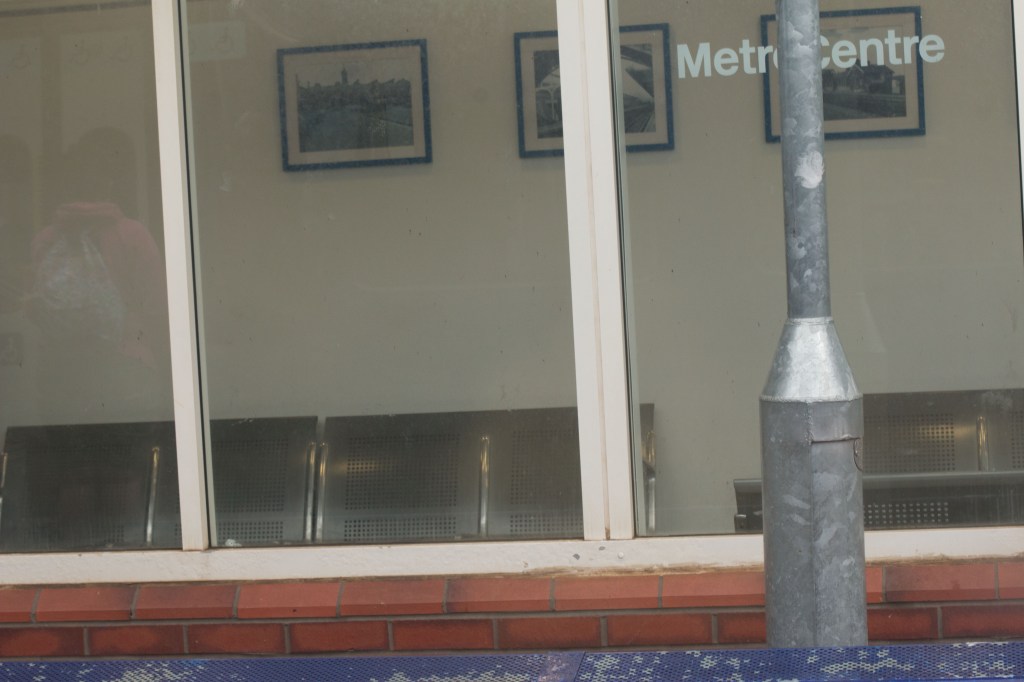
Metro Centre
Elswick
Dunston
Gateshead
Tyne Bridges

Evaluating the strengths and weaknesses of a set is invariably something that I find difficult at this stage because I am still too close to the work to be able to view it wholly impartially. I usually find the critical process easier once I have had some discussion with my tutor. I have though at least been giving some thought, having now followed one particular path, to how I might approach the project differently and I think this will help in pointing up what might need improvement.

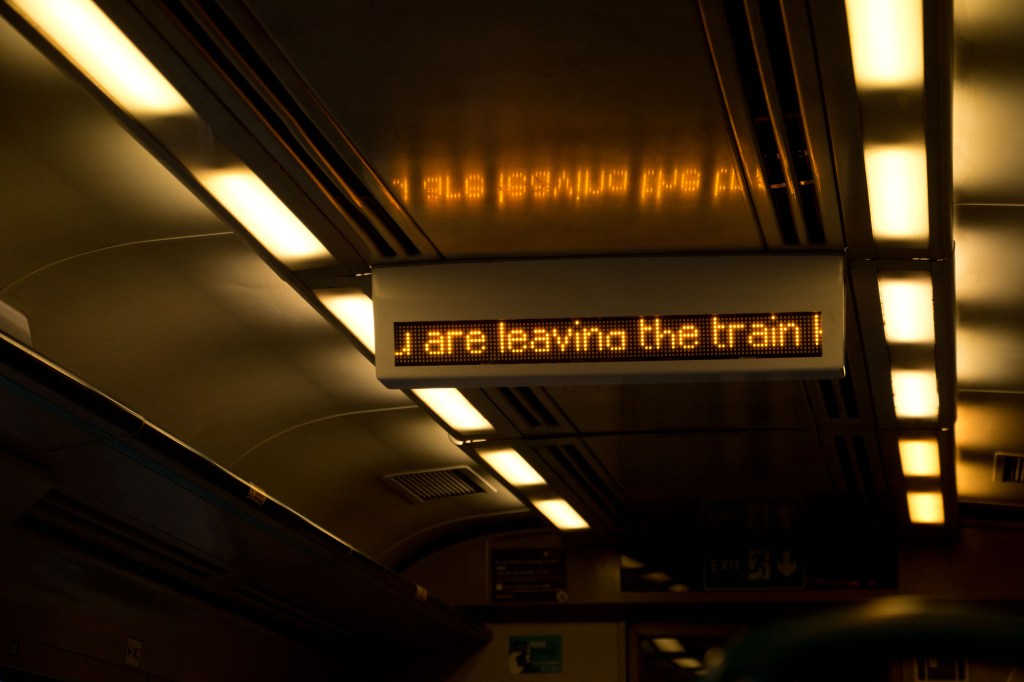
I have already tried a wholly text based approach from inside the train and I do not honestly think this works. I think it gives too narrow a view, and not a particularly interesting one, of the journey. I have also found that it is not easy to pull off from a technical point of view. I still remain uncomfortable with the idea of a people-based set, not least because of the practical difficulties, perhaps exacerbated by lack of time on a relatively short journey, of negotiating consent (without which I would not do it anyway). Kazuma Obara did feature people in his Chernobyl train sequences, but in a way his work was more about the local people, and the effect of the disaster on them, then and now, than on the train journey itself. Here I am more concerned with just the process and experience of the journey.

I have though been wondering about the possibility of a more mixed approach, including other elements beyond just the view from the train, combining some of the text based images, and others simply taken outside the train. I am not sure that a limit of twelve or so images is necessarily going to be enough to accommodate such a wider approach (I do feel the recommended limit in the brief is a bit too constraining) but I am going to try another experiment, that I will address in another post.

Assignment 2: Mapping

When I first started to think about this assignment I initially rejected the idea of doing anything with maps as unhelpful given the nature of the journey I wanted to depict. Whilst that view has not changed I have nevertheless come back to the role of maps, not as an inspiration or means of arriving at the subject matter for the project, but more as an outcome of the project, as an artefact that is itself the result of working through the assignment.

This has largely been the result of reading an article on the Magnum website about the work of Alec Soth who produced maps, not in order to make his various books, but as a result of having done so. Soth is of course one of the artists that I referred to earlier in connection with photographic depictions of journeys, though explicitly not one who influenced my thinking or choice of subject matter in this case.

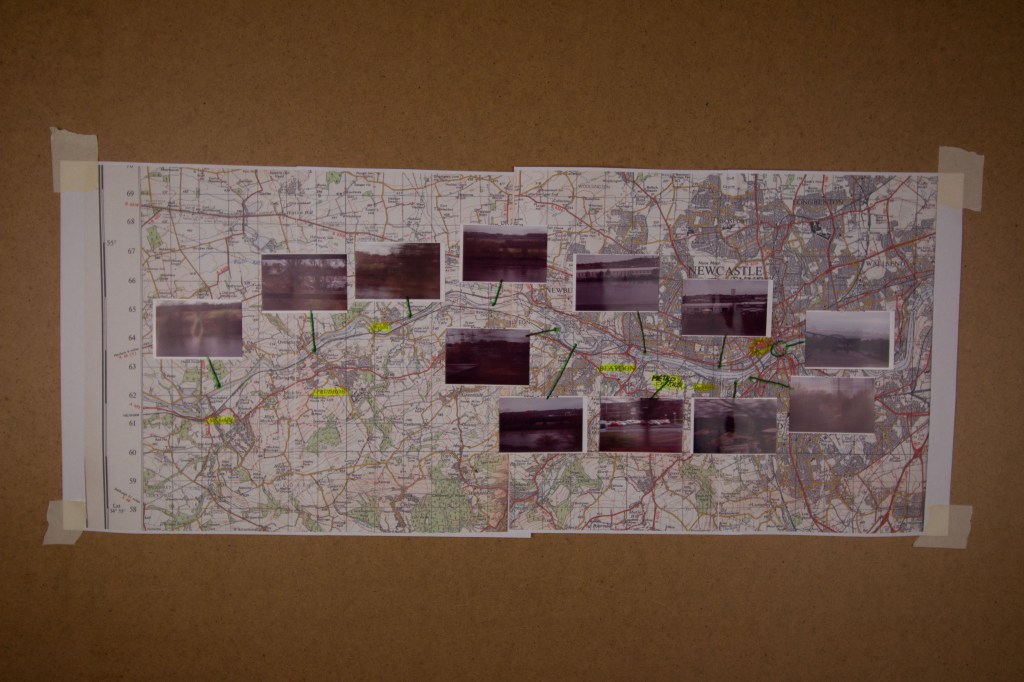
What I have done for this is scan an OS map that shows the route between where I live and the city of Newcastle, blown it up, and reprint it. Onto this new copy I have put thumbnails of the images I have chosen for the final set, indicating where on the map they relate to.

As it happens this is the only OS map that I have that covers all of this area and it turns out it is thoroughly out of date, going back to 1971! Most significantly what has changed in the interim, for the purposes of this project, is the line of the railway itself, though that is admittedly hard to see in the photo below. It now runs along the south side of the river as far as Gateshead and then crosses the river over the second up-stream bridge marked on the map into Newcastle. Back in 1971 the line crossed the river at Blaydon and ran along the north side of the river, following the route of an otherwise long disused line that ran along that side from Wylam, where there is still a very fine bridge that now serves only pedestrians and cyclists. (There are plenty of other differences, such as the absence of the current dual-carriageway version of the A69, and of the Metro Centre, which has its own dedicated train station. These are though not really relevant for the purposes of this assignment and would really only mean something to anyone who knows the area now.) I like this map though because it has a distinctive style that the OS no longer uses which is much sharper than the modern versions.

https://www.magnumphotos.com/theory-and-practice/desire-lines-reframing-american-road-trip-narrative-alec-soth-rebecca-bengal/?utm_source=shop+newsletter&utm_medium=email&utm_campaign=editorial&utm_content=280120+button&mc_cid=9ba521d022&mc_eid=5ae4cfc0d6